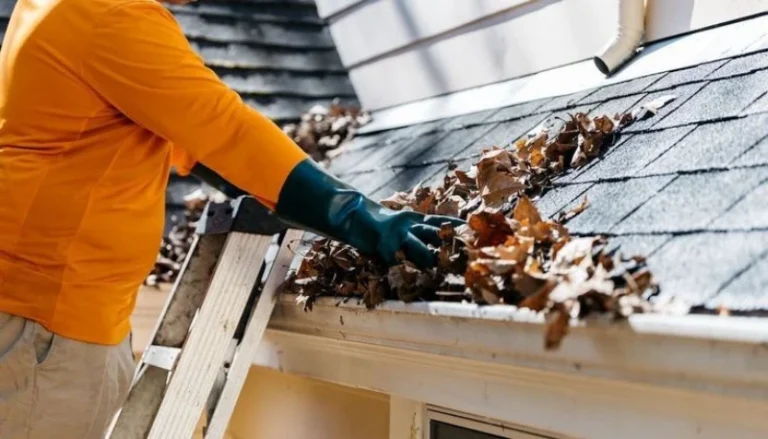
Most homeowners think about gutters only when they become clogged or start overflowing. Yet changing weather patterns are creating new challenges that many people never considered a decade ago. In Pittsburgh, where residents already experience a mix of heavy rain, snow, freezing temperatures, and humid summers, climate change is putting additional pressure on residential gutter systems.
As storms become more intense and weather conditions fluctuate more dramatically, gutters must handle larger volumes of water and withstand greater environmental stress. Understanding how climate change affects your gutters can help you protect your home, avoid costly repairs, and make smarter maintenance decisions.
Whether you own a historic home in Pittsburgh or a newly built property, your gutter system plays a critical role in defending your house against water damage. Knowing what to watch for can save you significant time, money, and frustration.
Understanding the Connection Between Climate Change and Gutters
Climate change refers to long-term shifts in weather patterns, including rising temperatures, changing precipitation levels, and more frequent extreme weather events.
For homeowners, these environmental changes often translate into:
- Heavier rainstorms
- More frequent flooding
- Rapid freeze-thaw cycles
- Increased snowfall variability
- Stronger wind events
- Longer periods of heat and humidity
While gutters may seem like a simple part of your home, they are directly exposed to these changing conditions every day.
Why Gutters Are Vulnerable
Your gutter system is designed to collect rainwater and direct it safely away from your home’s foundation. When weather becomes more intense or unpredictable, gutters must handle larger volumes of water and greater structural stress.
A system that performed perfectly ten years ago may now face challenges it was never originally designed to manage.
Pittsburgh’s Climate Is Changing
Pittsburgh has always experienced four distinct seasons, but many homeowners have noticed shifts in local weather patterns.
More Intense Rainfall Events
Instead of steady rainfall spread over several days, storms are increasingly delivering large amounts of rain within short periods.
For gutters, this means:
- Faster water flow
- Increased overflow risk
- Greater strain on downspouts
- Higher likelihood of foundation erosion
A gutter system that easily handled traditional rain events may struggle during today’s intense downpours.
Unpredictable Seasonal Changes
Many Pittsburgh residents have experienced winter days that suddenly feel like spring, followed by another hard freeze shortly afterward.
These rapid temperature swings create additional wear and tear on gutters and fastening systems.
Heavy Rain Can Overwhelm Gutters
One of the most noticeable effects of climate change is the increase in heavy rainfall events.
Overflow Problems
When gutters receive more water than they can handle, overflow occurs.
Overflowing water can:
- Damage siding
- Erode landscaping
- Flood basements
- Crack foundations
- Create standing water near the home
Even a well-maintained gutter system has limits.
Increased Debris Movement
Strong storms often bring:
- Leaves
- Twigs
- Seeds
- Roof granules
- Dirt
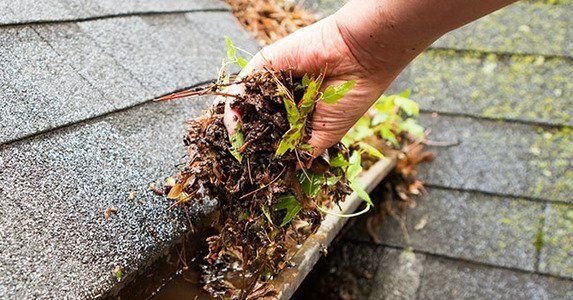
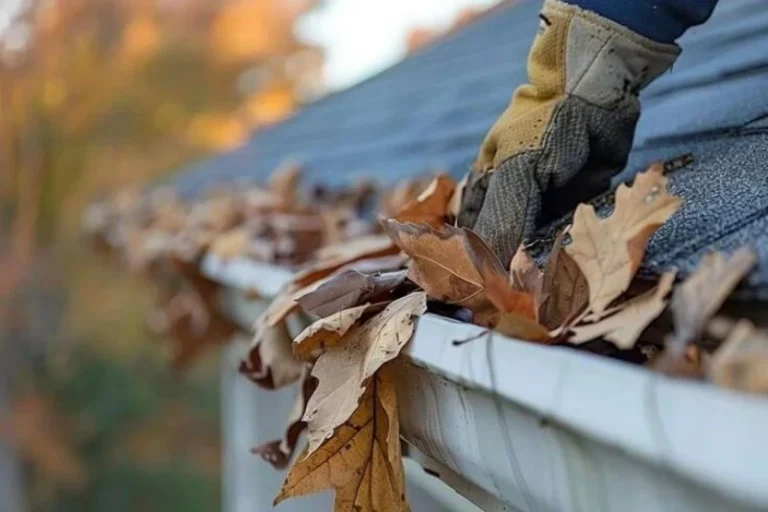
This debris can quickly clog gutters and reduce their ability to move water efficiently.
A small blockage that once caused a minor inconvenience can now become a major issue during intense rainfall.
Freeze-Thaw Cycles Cause Structural Damage
Climate change is increasing temperature fluctuations in many regions, including western Pennsylvania.
What Is a Freeze-Thaw Cycle?
A freeze-thaw cycle occurs when water freezes during cold temperatures and then melts when temperatures rise.
This process may repeat several times over a short period.
How It Affects Gutters
When trapped water freezes inside gutters, it expands.
This expansion can:
- Warp gutter sections
- Loosen fasteners
- Separate joints
- Create cracks
- Damage downspouts
Over time, repeated freezing and thawing weakens the entire system.
Real-Life Example
Imagine a January week in Pittsburgh where temperatures rise to 50°F during the day and drop below freezing at night.
Water melts, flows into the gutter, freezes again, expands, and stresses the metal.
After dozens of cycles, visible damage often appears.
Ice Dams Are Becoming More Complicated
Many homeowners associate ice dams with heavy snow, but changing winter conditions can actually make ice dam formation more unpredictable.
What Is an Ice Dam?
An ice dam forms when snow melts on a warm roof and then refreezes near the roof edge.
The resulting ice barrier prevents proper drainage.
Problems Caused by Ice Dams
Ice dams can lead to:
- Gutter damage
- Roof leaks
- Water intrusion
- Mold growth
- Insulation damage
As winter weather becomes less predictable, homeowners may experience more frequent ice-related issues.
Stronger Storms Mean Greater Physical Stress
Severe weather events place direct pressure on gutter systems.
High Winds
Strong wind gusts can:
- Pull gutters away from fascia boards
- Bend gutter sections
- Loosen brackets
- Blow debris into drainage channels
Even minor movement can affect performance.
Falling Branches
Storm-related tree damage is another growing concern.
Heavy branches can crush gutters instantly, requiring costly repairs or replacement.
Homes surrounded by mature trees face especially high risk.
Hotter Summers Affect Gutter Materials
Climate change is not only about storms and rainfall.
Longer periods of extreme heat can also impact gutter performance.
Expansion and Contraction
Most gutter materials expand when heated and contract when cooled.
Repeated cycles can:
- Loosen connections
- Create gaps
- Cause leaks
- Reduce system stability
UV Exposure
Extended sun exposure may accelerate aging in certain gutter materials.
Over time, homeowners may notice:
- Fading
- Brittleness
- Surface cracking
- Sealant deterioration
These issues often develop gradually and go unnoticed until leaks appear.
Humidity Creates Additional Challenges
Pittsburgh summers are known for humidity, and increasing moisture levels can contribute to gutter-related concerns.
Mold and Mildew Growth
Damp debris trapped inside gutters creates an ideal environment for:
- Mold
- Algae
- Mildew
- Moss
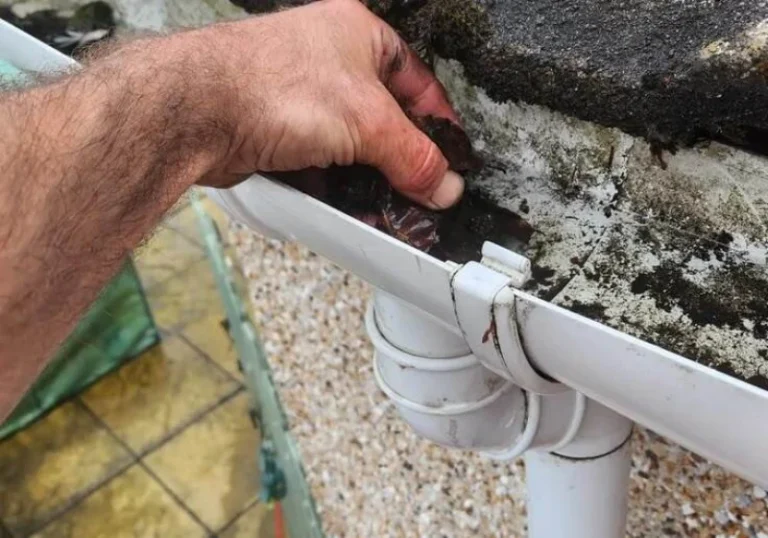
These growths restrict water flow and can eventually spread to roofing materials.
Accelerated Corrosion
Metal gutters exposed to constant moisture may corrode faster than expected.
Regular inspections help identify early signs before major deterioration occurs.
Warning Signs Climate Change May Be Affecting Your Gutters
Many problems develop slowly.
Watch for these warning signs:
- Water spilling over gutter edges
- Sagging gutter sections
- Loose brackets
- Peeling exterior paint
- Soil erosion near foundations
- Basement moisture
- Rust spots
- Visible cracks
- Standing water after storms
Addressing these issues early often prevents expensive structural damage.
How Homeowners Can Protect Their Gutters
Fortunately, proactive maintenance remains one of the best defenses against climate-related gutter problems.
Schedule Regular Cleaning
Removing debris allows water to flow freely during heavy storms.
Most Pittsburgh homes benefit from gutter cleaning at least twice per year.
Properties with numerous trees may require more frequent service.
Inspect After Major Storms
After severe weather, check for:
- Loose sections
- Bent components
- Blockages
- Water pooling
Early detection can prevent larger repairs later.
Consider Larger Capacity Systems
Homes experiencing frequent overflow may benefit from upgraded gutter systems designed to handle higher water volumes.
Maintain Downspouts
Proper drainage depends on functional downspouts.
Ensure water is directed away from:
- Foundations
- Walkways
- Landscaping
- Basement walls
The Cost of Ignoring Gutter Problems
Many homeowners postpone gutter maintenance because the system appears minor compared to roofing or foundation work.
In reality, neglected gutters can lead to:
- Foundation repairs
- Roof damage
- Interior water intrusion
- Landscape restoration
- Mold remediation
These expenses often exceed the cost of routine maintenance by a substantial margin.
Why Prevention Matters More Than Ever
Climate trends suggest that weather extremes will continue influencing homes across the Pittsburgh region.
Gutters serve as one of the first lines of defense against water-related damage.
A properly maintained system helps:
- Protect foundations
- Preserve landscaping
- Prevent basement flooding
- Extend roof life
- Improve overall property value
Small maintenance efforts today can prevent major repairs tomorrow.