Gutter cleaning is one of the most important yet often overlooked parts of home maintenance. Many homeowners do not think about their gutters until they notice overflowing water, foundation problems, roof leaks, or landscaping damage.
The purpose of a gutter system is simple: collect rainwater from the roof and direct it safely away from your home. When gutters become clogged with leaves, twigs, dirt, roof granules, and other debris, they can no longer perform this job effectively.
Understanding what gutter cleaning is, why it matters, and how often it should be done can help homeowners avoid costly repairs while extending the life of their roofing and drainage systems.
What Is Gutter Cleaning?
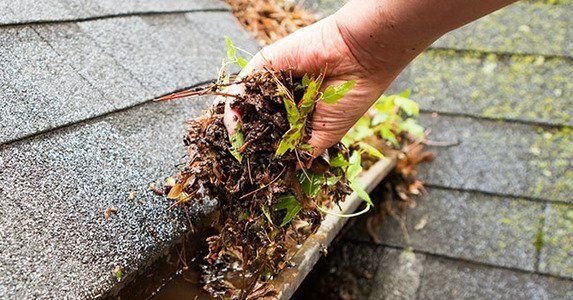
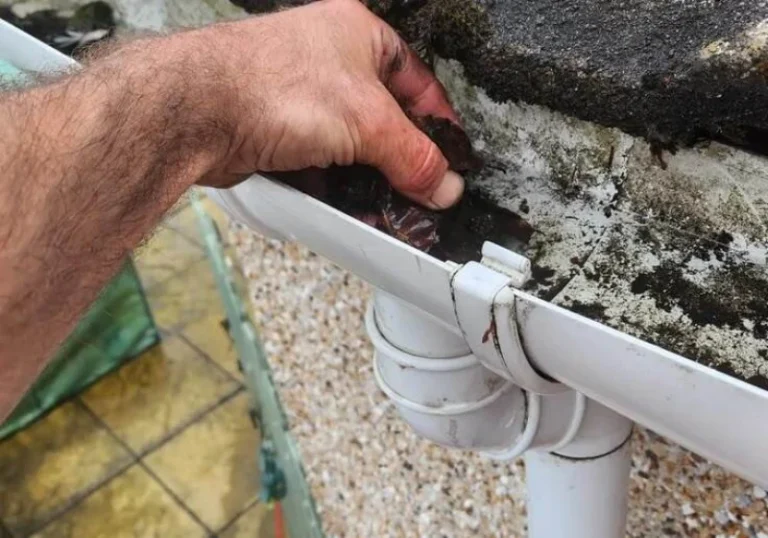
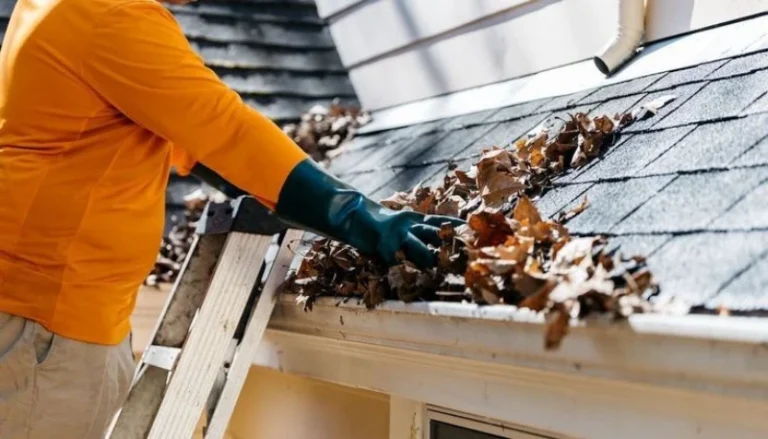
Gutter cleaning is the process of removing debris, blockages, and buildup from gutters and downspouts to ensure rainwater flows freely away from a property.
A professional gutter cleaning service typically includes:
- Removing leaves and organic debris
- Clearing clogged downspouts
- Flushing the gutter system
- Inspecting gutters for damage
- Checking drainage performance
- Identifying potential repair issues
The goal is to keep the entire drainage system functioning properly throughout the year.
Simple Definition
Gutter cleaning means removing anything that prevents rainwater from moving through your gutter system and away from your home.
Example
Imagine a heavy rainstorm hitting your home. If your gutters are clear, water flows smoothly through the system and exits through the downspouts.
If the gutters are clogged, water spills over the sides, potentially damaging:
- Roofs
- Fascia boards
- Foundations
- Siding
- Landscaping
- Basements
How Gutters Work
Before understanding gutter cleaning, it helps to understand how gutters function.
A standard gutter system includes:
Gutters
These channels run along the roof edge and collect rainwater.
Downspouts
Vertical pipes that carry water from the gutters to the ground.
Elbows and Extensions
Components that direct water away from the home’s foundation.
Hangers and Brackets
Hardware that keeps gutters securely attached to the structure.
When all components are clear and functioning properly, rainwater moves efficiently away from the home.
Why Gutter Cleaning Is Important
Ignoring gutter maintenance can lead to significant property damage.
Prevents Water Damage
Overflowing gutters can allow water to seep into walls, ceilings, and foundations.
Protects Your Roof
Standing water trapped inside clogged gutters can contribute to roof deterioration and leaks.
Reduces Foundation Problems
Water pooling around the base of a home can weaken foundations over time.
Prevents Pest Infestations
Clogged gutters often become attractive habitats for:
- Mosquitoes
- Ants
- Rodents
- Birds
- Wasps
Protects Landscaping
Overflowing water can erode soil, damage flower beds, and wash away mulch.
What Causes Gutters to Become Clogged?
Several factors contribute to gutter blockages.
Falling Leaves
Trees are the most common source of gutter debris.
Twigs and Branches
Storms frequently deposit small branches into gutter channels.
Roof Granules
Aging shingles shed granules that accumulate over time.
Dirt and Mud
Wind-blown dust combines with moisture to form compact sediment.
Animal Nests
Birds, squirrels, and insects may build nests inside gutters.
Signs Your Gutters Need Cleaning
Many homeowners do not realize their gutters are clogged until visible warning signs appear.
Water Overflow During Rain
Water spilling over gutter edges is a clear indication of blockage.
Sagging Gutters
Excess debris and standing water add significant weight.
Plant Growth
Weeds or grass growing in gutters indicate long-term neglect.
Staining on Siding
Overflowing water often leaves visible streaks on exterior walls.
Basement Moisture
Improper drainage can contribute to damp basements and crawl spaces.
How Often Should Gutters Be Cleaned?
The ideal cleaning schedule depends on several factors.
Homes with Many Trees
Clean gutters at least three to four times per year.
Average Residential Properties
Most homes benefit from cleaning twice annually.
Evergreen Tree Areas
More frequent maintenance may be necessary because needles accumulate year-round.
After Major Storms
Inspect gutters following severe weather events.
Professional Gutter Cleaning vs DIY
Homeowners often wonder whether they should clean gutters themselves.
DIY Gutter Cleaning
Advantages:
- Lower immediate cost
- Flexible timing
Disadvantages:
- Ladder safety risks
- Time-consuming
- Difficult for multi-story homes
- Limited inspection expertise
Professional Gutter Cleaning
Advantages:
- Improved safety
- Thorough debris removal
- Expert inspections
- Faster completion
- Identification of repairs
Disadvantages:
- Service cost
For many homeowners, professional cleaning offers better long-term value and peace of mind.
The Typical Gutter Cleaning Process
Professional gutter cleaning generally follows a structured process.
Inspection
The technician evaluates the condition of the gutter system.
Debris Removal
Leaves, twigs, and buildup are manually removed.
Downspout Clearing
Blockages are eliminated to restore proper flow.
System Flushing
Water is used to verify drainage performance.
Final Assessment
Potential issues are documented and discussed with the homeowner.
Common Gutter Problems Discovered During Cleaning
Routine cleaning often reveals maintenance concerns.
Leaks
Small holes can develop through wear and corrosion.
Loose Fasteners
Brackets may loosen over time.
Improper Slope
Incorrect pitch prevents effective drainage.
Rust
Metal gutters may develop corrosion if neglected.
Separation at Joints
Sections can pull apart and require resealing.
Can Gutter Guards Eliminate Cleaning?
Many homeowners install gutter guards hoping to eliminate maintenance completely.
The reality is more nuanced.
Gutter guards can reduce debris accumulation but do not completely eliminate the need for cleaning.
Most systems still require periodic inspections and maintenance.
Seasonal Gutter Cleaning Tips
Spring
Remove debris left behind by winter weather.
Summer
Inspect for storm damage and nesting pests.
Fall
Clear leaves before winter arrives.
Winter
Monitor for ice dams and drainage issues.
The Cost of Neglecting Gutter Cleaning
Many expensive home repairs begin with clogged gutters.
Potential consequences include:
- Roof damage
- Foundation cracks
- Mold growth
- Basement flooding
- Siding deterioration
- Landscape erosion
Routine maintenance is often far less expensive than repairing preventable damage.
Conclusion
Gutter cleaning is much more than a routine household chore. It plays a critical role in protecting roofs, foundations, landscaping, and the overall structural health of a property.
By keeping gutters free from debris and ensuring proper water flow, homeowners can prevent costly repairs and maintain the value of their homes for years to come.
Whether you choose a do-it-yourself approach or hire a professional service, regular gutter cleaning remains one of the smartest investments in long-term home maintenance.