Gutter cleaning seems simple at first glance. Grab a ladder, remove a few leaves, and move on with your weekend. In reality, many homeowners make small mistakes during gutter maintenance that can lead to expensive repairs, safety hazards, and long-term water damage.
In Pittsburgh, gutter systems work hard throughout the year. Heavy spring rain, summer storms, falling autumn leaves, and winter snow all place stress on gutters and downspouts. When gutters aren’t cleaned properly, water can overflow, damage foundations, harm landscaping, and even affect your roof’s structural integrity.
Understanding the most common gutter cleaning mistakes can help you protect your home, save money, and avoid preventable problems before they become costly repairs.
Why Gutter Cleaning Matters in Pittsburgh
Pittsburgh’s climate creates unique challenges for homeowners. Mature trees throughout neighborhoods such as Squirrel Hill, Shadyside, Mt. Lebanon, and Ross Township contribute significant leaf buildup during the fall season.
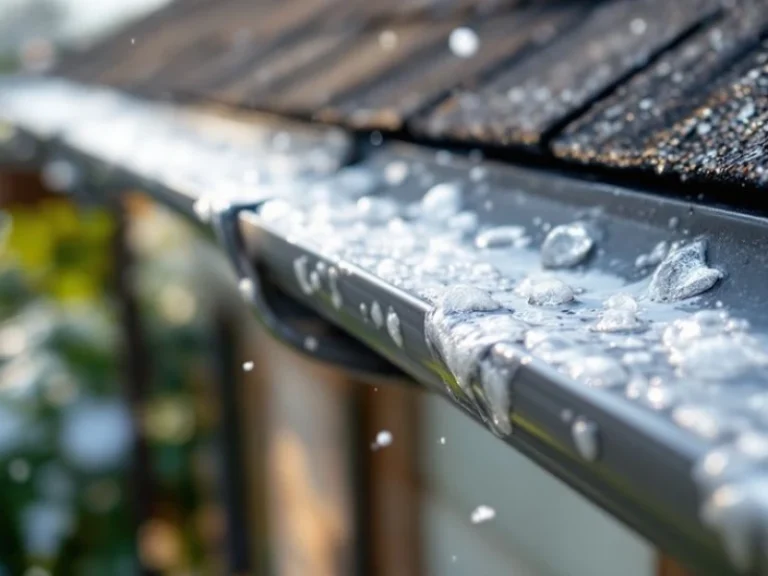
At the same time, winter snow and ice can create additional stress on clogged gutter systems. If water cannot flow freely through gutters and downspouts, it may freeze, expand, and cause damage to both gutters and roofing materials.
Regular gutter maintenance helps:
- Prevent water damage
- Protect foundations
- Reduce roof deterioration
- Minimize pest infestations
- Extend gutter lifespan
- Improve drainage around the property
Mistake #1: Skipping Regular Gutter Cleaning
One of the biggest mistakes homeowners make is waiting until gutters are completely clogged before cleaning them.
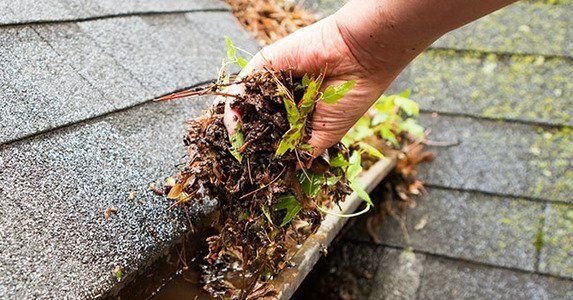
Leaves, twigs, seeds, and debris accumulate gradually. By the time overflow becomes visible, water may already be causing hidden damage.
Best Practice
Most Pittsburgh homes benefit from gutter cleaning at least twice per year:
- Late spring
- Late fall
Properties surrounded by large trees may require additional cleanings.
Mistake #2: Ignoring Downspouts
Many homeowners focus on the gutters themselves and forget about downspouts.
A clean gutter connected to a blocked downspout still cannot drain properly. Water backs up quickly and overflows during rainfall.
Warning Signs of a Clogged Downspout
- Water spilling over gutter edges
- Slow drainage
- Pooling water near the foundation
- Overflow during moderate rainfall
Always verify that water flows freely through the entire drainage system.
Mistake #3: Using the Wrong Ladder
Falls remain one of the most common injuries associated with home maintenance projects.
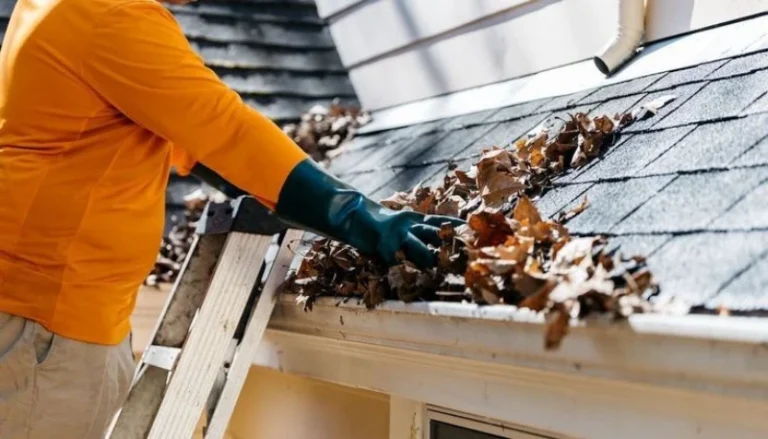
Using an unstable ladder, placing it on uneven ground, or reaching too far while cleaning gutters significantly increases risk.
Safer Approach
- Use a sturdy extension ladder
- Place the ladder on level ground
- Use ladder stabilizers when possible
- Move the ladder frequently instead of overreaching
Safety should always take priority over convenience.
Mistake #4: Cleaning Gutters During Bad Weather
Attempting gutter cleaning during rain, high winds, or icy conditions can be dangerous.
Wet surfaces become slippery, reducing traction on ladders and roofing materials.
Ideal Conditions
Choose a dry day with mild weather conditions. Dry debris is also easier to remove and dispose of properly.
Mistake #5: Walking on the Roof
Many homeowners assume climbing onto the roof provides easier access to gutters.
Unfortunately, this often creates additional risks.
Walking on roofing materials can:
- Damage shingles
- Increase fall hazards
- Cause accidental roof leaks
- Lead to serious injuries
Professional technicians typically use specialized equipment and safety systems when roof access is necessary.
Mistake #6: Using Improper Cleaning Tools
Not all tools are suitable for gutter cleaning.
Metal objects, sharp tools, or aggressive scraping methods can damage gutter surfaces and protective coatings.
Recommended Tools
- Plastic gutter scoop
- Garden hose
- Work gloves
- Safety glasses
- Soft-bristle brush
- Bucket or debris bag
Using the right equipment helps prevent accidental damage.
Mistake #7: Ignoring Early Signs of Gutter Damage
Cleaning debris is important, but inspection is equally valuable.
Many homeowners remove leaves and move on without checking the condition of the system itself.
What to Look For
- Cracks
- Rust spots
- Loose fasteners
- Sagging sections
- Separated joints
- Peeling paint nearby
Small problems are usually easier and less expensive to repair.
Mistake #8: Believing Gutter Guards Eliminate Maintenance
Gutter guards can reduce debris accumulation, but they do not eliminate maintenance entirely.
This misconception often leads homeowners to ignore their gutters for years.
The Reality
Gutter guards help:
- Reduce leaf buildup
- Improve water flow
- Minimize maintenance frequency
However, periodic inspections and cleanings are still necessary.
Mistake #9: Leaving Roof Debris Behind
Even after cleaning gutters, leaves and branches may remain on the roof.
Over time, this debris can wash directly back into the gutter system.
Better Maintenance Strategy
Clean both:
- Gutters
- Adjacent roof areas
This approach helps keep the entire drainage system functioning efficiently for longer periods.
Mistake #10: Waiting Too Long to Call a Professional
DIY maintenance works well for many routine tasks.
However, some situations require professional expertise.
When to Call a Professional
Consider professional assistance if you notice:
- Significant sagging
- Major clogs
- Roof-related drainage issues
- Extensive water damage
- Difficult roof access
- Multi-story structures
Professional inspections often identify hidden problems before they become expensive repairs.
The Hidden Costs of Gutter Cleaning Mistakes
Many homeowners underestimate how expensive neglected gutters can become.
A clogged gutter may seem like a minor inconvenience. In reality, improper drainage can contribute to:
Foundation Damage
Excess water around foundations may lead to settling, cracking, and structural concerns.
Roof Repairs
Water backing up beneath shingles can damage roofing materials and decking.
Basement Moisture Problems
Poor drainage often contributes to damp basements and mold growth.
Landscape Erosion
Overflowing water can wash away mulch, soil, and decorative landscaping features.
Addressing these issues often costs far more than routine gutter maintenance.
DIY vs Professional Gutter Cleaning
DIY Cleaning
Advantages
- Lower upfront cost
- Flexible scheduling
- Immediate access
Disadvantages
- Safety risks
- Limited inspection experience
- Potential equipment limitations
Professional Cleaning
Advantages
- Enhanced safety
- Thorough inspections
- Efficient debris removal
- Early problem detection
Disadvantages
- Service costs
For many Pittsburgh homeowners, professional service provides peace of mind and long-term savings.
Seasonal Gutter Maintenance Checklist
Spring
- Remove winter debris
- Inspect for ice damage
- Check downspout flow
Summer
- Monitor storm damage
- Tighten loose fasteners
- Inspect joints and seams
Fall
- Remove leaves regularly
- Check drainage performance
- Prepare for winter weather
Winter
- Watch for ice buildup
- Monitor drainage during thaws
- Address ice dam concerns quickly
Following a seasonal schedule helps prevent many common gutter problems.
Signs Your Gutters Need Immediate Attention
Certain warning signs should never be ignored.
Watch for:
- Water overflowing during rain
- Sagging gutters
- Standing water near the foundation
- Mold growth on exterior walls
- Visible cracks
- Detached sections
- Basement moisture issues
Prompt action can prevent more extensive damage.
Conclusion
Gutter maintenance may not be the most exciting home improvement task, but it remains one of the most important.
Avoiding these ten common gutter cleaning mistakes can help protect your Pittsburgh home from water damage, foundation problems, roof issues, and unnecessary repair expenses. A little preventative maintenance today often saves significant money and stress tomorrow.
Whether you handle routine maintenance yourself or hire a professional, keeping gutters clean, functional, and properly inspected is one of the smartest investments you can make in your home’s long-term health.