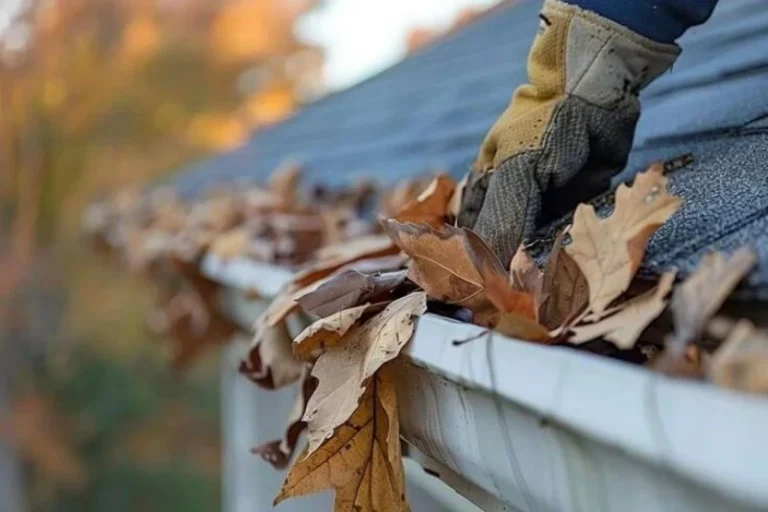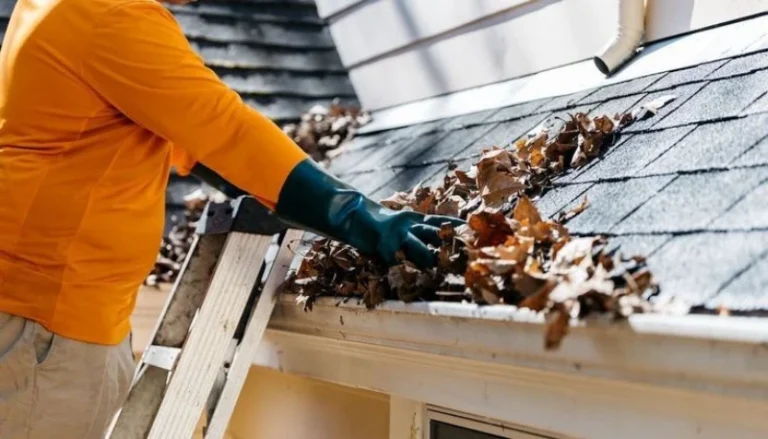
Every autumn, a familiar ritual plays out in neighborhoods across the country. Leaves turn beautiful shades of amber, they fall, and they inevitably clog your home’s drainage channels. When that happens, you face a classic crossroads that every property owner eventually hits.
It is a debate between your weekend time and your hard-earned wallet. Standing on the lawn, staring up at the roofline, you have to choose whether to pull out the ladder yourself or make the call to an expert.
This guide tackles that exact tension, breaking down the costs, safety factors, and structural risks so you can make the right call for your home.
The Core Confusion of Maintaining Your Roofline
Water is the single greatest enemy of a solid home structure. Your gutters are the unsung heroes that redirect thousands of gallons of rainwater away from your foundation, walls, and landscape. Yet, because they sit high out of sight, they are frequently out of mind until something goes terribly wrong.
When homeowners face the choice of handling this task themselves or paying for a service, they often get trapped by incomplete information. The internet is flooded with simplistic advice telling you to just “buy a scoop and do it yourself” or, conversely, warning you that “DIY is a recipe for disaster.”
The confusion stems from a lack of honest evaluation regarding what the job actually entails. It is not just about scooping out wet oak leaves. It requires analyzing roof pitches, understanding drainage physics, and honestly assessing your own physical capabilities. This article untangles that mess to give you absolute clarity.
DIY vs Professional Gutter Cleaning – Quick Meaning
At its core, this choice balances personal labor against specialized outsourced service. Let us define exactly what both paths mean for a property owner.
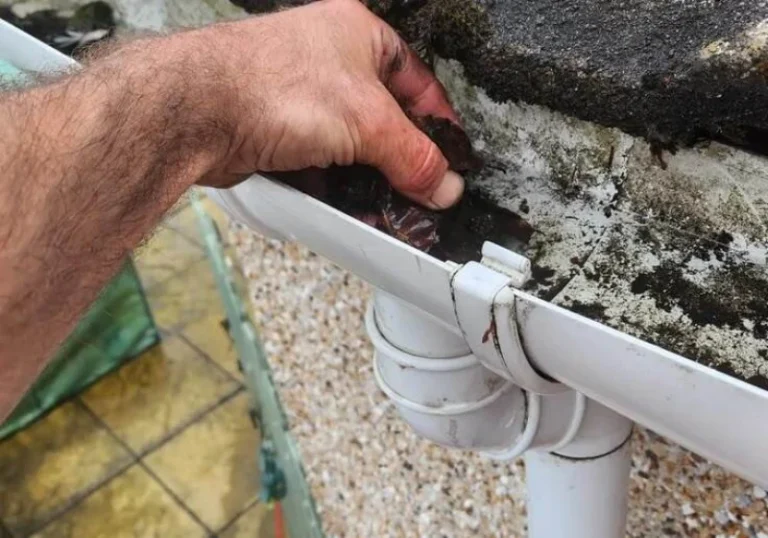
- DIY Gutter Cleaning: This is the hands-on approach where a homeowner personally inspects, clears, and flushes the property’s water channels using basic household tools like ladders, scoops, buckets, and garden hoses.
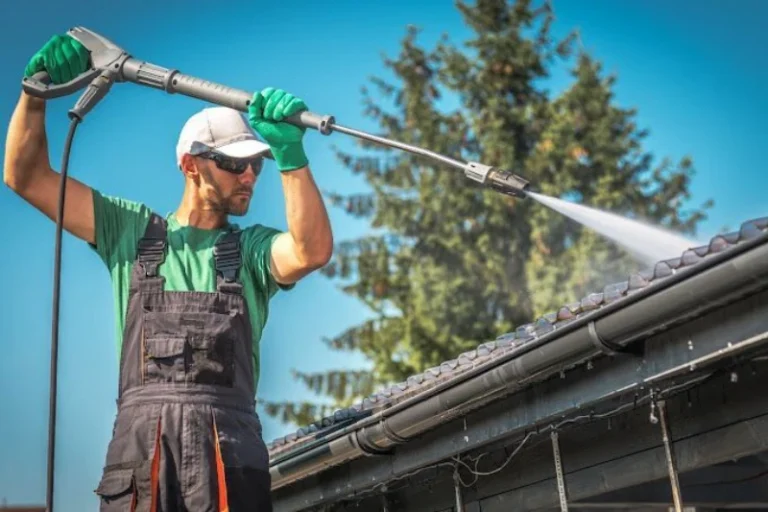
- Professional Gutter Cleaning: This is an outsourced service where certified, insured technicians use commercial-grade high-powered vacuums, specialized inspection cameras, and safety rigging to clear the entire system.
“I thought I’d save a hundred bucks by doing it myself on Sunday. By Tuesday, I was paying a contractor thousands to fix the fascia boards I broke while leaning my old ladder against them.” — Mark S., Homeowner
“Professional clearing isn’t just paying for the debris removal; it’s paying for an early warning system for your roof.” — Sarah L., Residential Property Manager
Origin & Background of the Homeowner’s Choice
To understand why this debate is so fierce today, we have to look at how home design and culture have evolved over the last few decades.
The Rise of Suburban Homeownership
In the mid-20th century, the post-war housing boom created a culture of fierce self-reliance. Homes were simpler, often single-story ranches with easily accessible rooflines. If your gutters got full, you grabbed a wooden ladder and cleaned them before the football game started. It was viewed as a basic badge of neighborhood pride.
Modern Architecture and Higher Stakes
As architectural trends shifted toward multi-story homes, complex roof pitches, and delicate building materials, the task changed completely. Suddenly, a standard ladder could no longer safely reach the highest points of a house.
The Social Media Echo Chamber
In recent years, platforms like TikTok and Instagram have complicated the issue. Home renovation influencers post satisfying, fast-paced videos showing how simple it is to clear a gutter with a leaf blower attachment. These clips often gloss over the risks, leading to a massive wave of property damage and emergency room visits from overconfident homeowners trying to replicate a thirty-second video.
Emotional & Psychological Meaning of the Task
The choice between tackling a household chore and hiring it out goes much deeper than just money. It speaks directly to our psychology as homeowners.
The Need for Control and Competence
Doing things yourself provides a deep psychological reward. When you clean your own drainage system, you are actively protecting your sanctuary. It feels empowering to look up at your roofline and know that your own two hands secured the house against the coming winter storms.
The Anxiety of Financial Vulnerability
Conversely, hiring a professional can trigger feelings of vulnerability. Many people worry about getting ripped off, dealing with unreliable contractors, or feeling judged for not handling their own basic property maintenance.
A Personal Perspective
A few years ago, I insisted on clearing my own multi-level roof system despite having a mild fear of heights. Standing on the top rung of a shifting extension ladder, with the wind picking up, my heart pounded wildly. I managed to finish the job, but the sheer panic and physical exhaustion made me realize something vital. I wasn’t saving money; I was risking my life to validate my pride.
Usage of Both Approaches in Different Contexts
The right choice changes depending on the specific situation your property is facing. One size never fits all when it comes to structural maintenance.
Single-Story vs Multi-Story Layouts
If you own a small, single-story home with a flat, level lawn beneath the roofline, the task is highly manageable. The physical risk is minimal, and standard equipment is sufficient. For multi-story homes with walk-out basements or sloping properties, the context shifts entirely toward a professional need.
The Rental Property Context
If you are a landlord, attempting to clean the gutters yourself or asking a tenant to do it is a major legal liability. In a professional real estate context, certified services are the only logical choice to protect your asset and avoid massive personal injury lawsuits.
When NOT to Handle Gutter Cleaning Yourself
There are specific scenarios where attempting a DIY clearing crosses the line from being frugal to being completely reckless.
Steep Roof Pitches and Metal Roofing
If your roof has a dramatic slope or is made of slick metal panels, you should never walk on it without professional fall-arrest harnesses. One patch of wet moss or loose morning dew can cause an unstoppable slide.
Nearby Electrical Drop Lines
When power lines connect to your home near the roofline, handling metal extension ladders becomes incredibly hazardous. A single accidental contact with a live line can be fatal.
Common Misunderstandings About Roofline Maintenance
Many homeowners operate on old myths that lead to poor financial and structural decisions.
If Water Is Flowing, the System Is Fine
This is a massive misconception. Water can still pour over the back of a clogged channel, running directly down your siding and pooling at your foundation, even if some water is coming out of the downspout.
Gutter Guards Mean Zero Maintenance
Many people install expensive mesh guards and assume they never have to think about their roofline again. In reality, guards simply delay the buildup. Fine silt, pine needles, and seeds still bypass the mesh, creating a fertile sludge that requires periodic professional flushing.
Structural Comparison Table
To help visualize the trade-offs between both methods, let us break down the core elements of the job side-by-side.
| Maintenance Element | The DIY Approach | The Professional Service |
| Average Direct Cost | Low (Cost of tools and bucket) | Moderate to High ($150 – $400+) |
| Time Investment | 3 to 6 hours of weekend labor | Zero personal hours |
| Safety Equipment | Standard home ladder, no harness | Commercial staging, safety rigging |
| Inspection Quality | Visual scan by a non-expert | Comprehensive roof & fascia audit |
| System Warranty Risk | High potential to void roof warranties | Zero risk (Insured work guarantees) |
| Debris Disposal | Manual cleanup from the lawn | Complete removal from the site |
Key Insight
While the upfront price tag of a professional service is higher, it acts as an insurance policy. The true value lies in the comprehensive structural inspection and the complete elimination of physical risk to the property owner.
Variations & Types of System Clutter
Not all blockages are created equal. The type of debris filling your channels dictates how the problem must be approached.
Oak and Maple Leaf Clutter
- The Problem: Large, broad leaves that create thick, heavy layers.
- The Solution: Easy to scoop manually but heavy when wet, requiring sturdy buckets.
Pine Needle Accumulation
- The Problem: Tiny, sharp needles that weave together like a blanket.
- The Solution: Incredibly difficult to remove by hand; often requires high-powered vacuums.
Silt and Shingle Granule Sludge
- The Problem: Heavy, sandy mud caused by decomposing asphalt shingles.
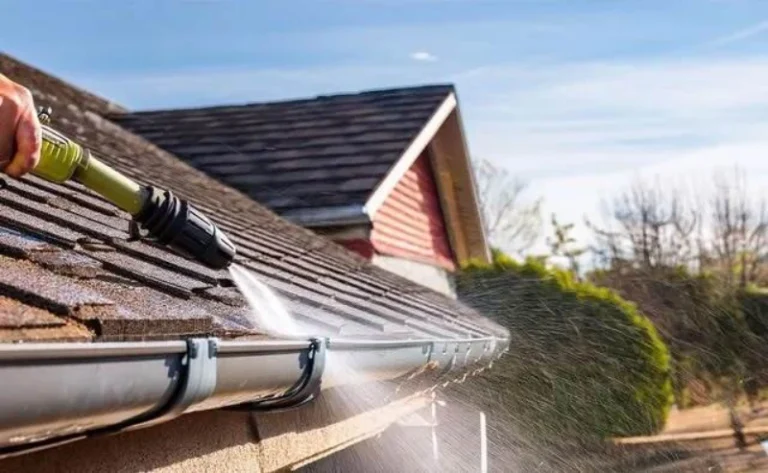
- The Solution: Destroys regular household wet-vacs; requires commercial pressure flushing.
Pest and Bird Nesting
- The Problem: Twigs, mud, and droppings left by birds, squirrels, or wasps.
- The Solution: Requires biological safety precautions and careful removal to avoid stings.
Standing Water Blockages
- The Problem: Water that cannot drain due to improper systemic sloping.
- The Solution: Cannot be fixed by scooping; requires professional re-pitching of the metal brackets.
How to Respond to Common Property Dilemmas
When your home throws a curveball at you, knowing how to react immediately saves time and money.
When a Contractor Gives a High Quote
- The Professional Reply: “Could you provide an itemized breakdown showing if this includes downspout pressure testing and a roof inspection?”
- The Balanced Action: Do not get defensive. Ask for proof of insurance and licensing to verify if the price matches their professional protections.
When a Spouse or Neighbor Insists on DIY
- The Caring Reply: “I know we can save money doing it ourselves, but the height of our roof makes it too risky. Let’s budget for a pro this season.”
- The Smart Pivot: Remind them that a single mistake could cost thousands in structural repairs, completely wiping out any initial savings.
Regional & Cultural Usage of Maintenance Practices
How people treat their home drainage varies wildly depending on geography, climate, and local culture.
The Pacific Northwest Context
In areas with constant rainfall and towering pine trees, roofline care is an ongoing conversation. Homeowners here rarely treat this as a seasonal task; it is a year-round necessity. Professional services are highly integrated into standard community life.
The Arid Southwest Approach
In desert climates, gutters are rarely used because rainfall is scarce. However, when monsoon seasons arrive, unmaintained systems fail instantly, leading to severe flash-flood damage to home foundations.
Generational Shifts in Home Care
Millennials and Gen Z homeowners show a strong cultural preference for outsourcing dangerous or highly technical home maintenance. Unlike older generations who viewed DIY as a non-negotiable duty, younger property owners prioritize their time and physical safety, viewing professional services as a smart utility expense.
Is Roofline Work Safe for Families to Tackle?
While getting the family involved in yard work can build character and teamwork, high-altitude maintenance is an absolute exception.
Never allow children or teenagers onto ladders or up on the roof line under any circumstances. The physical coordination required to balance on a ladder while pulling heavy, wet debris out of a track is far beyond a child’s capability.
Keep family members on the ground to assist with managing buckets or holding the base of the ladder, keeping them safely away from the fall zone where debris or tools could drop.
Conclusion
The debate between clearing your own gutters and hiring a team comes down to a clear understanding of value versus cost. Saving money by doing the job yourself is an attractive option for simple, single-story homes where the risk is low and the tools are already in your garage.
However, when you deal with high rooflines, steep pitches, or complex blockages, the equation tips dramatically toward professional service. Your physical safety and the structural integrity of your home are worth far more than the cost of a professional service call. Protect your investment, respect the limits of your ladder, and keep your home safe from the elements.