Many homeowners don’t think about their gutters until something goes wrong. A small overflow during a rainstorm may seem harmless at first, but neglected gutters can create a chain reaction of expensive problems throughout your home.
One of the most common questions homeowners ask is: can clogged gutters cause roof leaks?
The short answer is yes.
A clogged gutter may seem like a minor issue. However, it can quickly turn into a major problem if left untreated. As the blockage grows, water becomes trapped inside the system and may overflow near the roofline, increasing the risk of leaks and moisture damage.
Understanding how clogged gutters contribute to roof leaks can help you avoid costly repairs, protect your home’s structure, and extend the lifespan of your roofing system.
What Are Clogged Gutters?
Understanding Gutter Blockages
Gutters are designed to collect rainwater from your roof and direct it safely away from your home’s foundation through downspouts.
Common causes include:
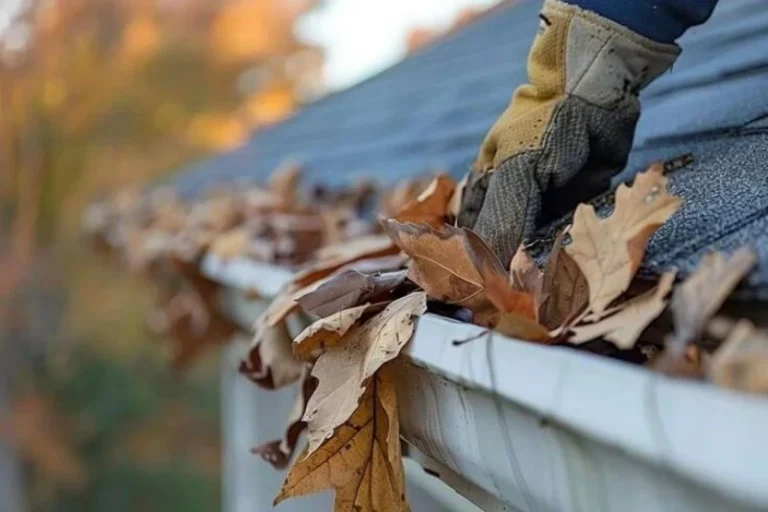
- Fallen leaves
- Pine needles
- Twigs and branches
- Roof granules
- Bird nests
- Dirt and sediment buildup
Even a small blockage can disrupt water flow during heavy rainfall. Consequently, water may begin overflowing near vulnerable areas of the home.
Why Proper Water Drainage Matters
Your entire roofing system depends on effective water management. Gutters play a critical role in preventing moisture from accumulating around vulnerable parts of your home.
When they stop functioning correctly, water starts looking for alternative paths—often into places where it can cause significant damage.
Can Clogged Gutters Cause Roof Leaks?
Water Backs Up Under Roofing Materials
Instead of flowing through downspouts, water begins pooling along the roof edge. Over time, standing water can seep beneath shingles, flashing, and roofing underlayment.
Overflow Saturates Fascia Boards
The fascia board is the horizontal board attached along the roof edge where gutters are mounted.
Overflowing water repeatedly soaks these boards. Continuous moisture exposure can cause wood rot, creating openings that allow water to enter your attic and interior spaces.
Roof Deck Damage Develops
The roof deck provides structural support beneath your shingles. backed-up water infiltrates the roofing system, the deck may begin to deteriorate. Soft spots, warping, and wood rot can eventually develop, increasing the likelihood of leaks.
Ice Dams Increase Winter Risks
In colder climates, clogged gutters often contribute to ice dam formation.
Snow melts from warmer roof surfaces and refreezes along blocked gutter edges. The resulting ice barrier traps water on the roof, forcing it underneath shingles and into the home.
The Chain Reaction of Damage Caused by Clogged Gutters
Roof leaks are often only the beginning.
Ceiling Stains and Interior Water Damage
Water entering through the roof can travel considerable distances before becoming visible.
Many homeowners first notice:
- Brown ceiling stains
- Bubbling paint
- Peeling drywall
- Damp insulation
Mold and Mildew Growth
Moist environments create ideal conditions for mold growth.
Unchecked moisture can spread inside attics, walls, and ceilings, affecting both indoor air quality and structural materials.
Fascia and Soffit Rot
Repeated exposure to overflowing water damages roof-edge components.
Replacing rotted fascia and soffits can become a costly repair project if gutter problems are ignored.
Foundation Issues
Overflowing gutters don’t just affect the roof.
Water cascading around the home’s perimeter may saturate soil, contribute to foundation settlement, and increase basement moisture problems.
Warning Signs That Your Gutters May Be Causing Roof Leaks
Water Overflow During Rainstorms
One of the clearest warning signs is visible water spilling over gutter edges.
Properly functioning gutters should channel water through downspouts, not over the sides.
Sagging Gutters
Excess debris and trapped water add significant weight.
Over time, gutters may pull away from the fascia or begin sagging.
Water Stains on Ceilings
Interior discoloration often indicates moisture intrusion.
Investigating the source quickly can prevent more extensive damage.
Damp Attic Insulation
Wet insulation frequently signals roof leakage.
Regular attic inspections can help identify problems early.
Peeling Exterior Paint
Persistent moisture exposure often causes paint failure around roof edges and siding.
What Causes Gutters to Become Clogged?
Falling Leaves
Trees are the leading source of gutter debris, particularly during autumn.
Pine Needles
Pine needles can create dense blockages that restrict water flow.
Roof Granules
Aging asphalt shingles shed granules that accumulate inside gutters.
Animal Activity
Birds, squirrels, and insects sometimes build nests that obstruct drainage.
Wind-Blown Debris
Seeds, dirt, branches, and organic matter can gradually collect over time.
How Long Does It Take for Clogged Gutters to Cause Damage?
The timeline varies depending on weather conditions, roof design, and the severity of the blockage.
Short-Term Effects
Within weeks:
- Overflowing water
- Increased moisture exposure
- Minor staining
Long-Term Effects
After months or years:
- Roof leaks
- Wood rot
- Mold growth
- Structural deterioration
The longer the problem remains unresolved, the greater the repair costs become.
Can Clogged Gutters Cause Ceiling Leaks?
Absolutely.
Water enters beneath roofing materials, it often travels through attic spaces before reaching ceilings.
Because water can move along rafters and framing members, the visible ceiling stain may appear far from the original roof leak.
Common signs include:
- Yellow or brown stains
- Peeling paint
- Sagging drywall
- Mold spots
Addressing both the roof leak and the clogged gutters is essential for a permanent solution.
The Cost of Ignoring Clogged Gutters
Many homeowners postpone gutter maintenance to save money.
Unfortunately, neglect often leads to far larger expenses. For this reason, routine maintenance is one of the most cost-effective investments a homeowner can make.
Potential costs may include:
- Roof repairs
- Fascia replacement
- Soffit repairs
- Mold remediation
- Interior water damage restoration
- Foundation repairs
Routine gutter cleaning is significantly less expensive than repairing widespread water damage.
How to Prevent Roof Leaks Caused by Clogged Gutters
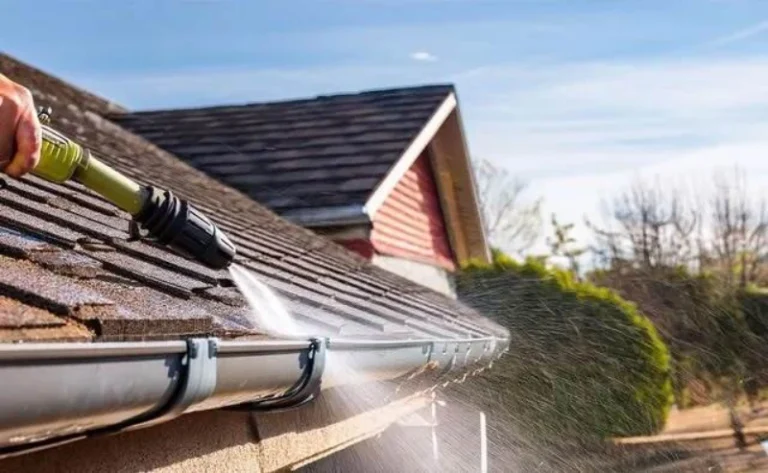
Schedule Regular Gutter Cleaning
Most homes benefit from cleaning at least twice per year.
Inspect Gutters After Storms
Additionally, heavy winds and storms can quickly introduce new debris into the gutter system.
Periodic inspections help identify developing blockages before they become serious.
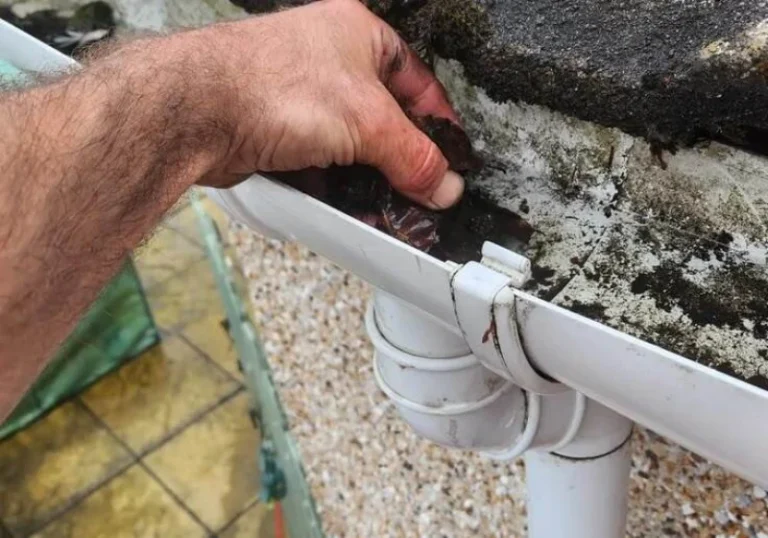
Maintain Downspouts
Clear downspouts are equally important.
A clean gutter connected to a blocked downspout will still experience drainage problems.
Trim Overhanging Branches
Reducing nearby tree coverage minimizes leaf accumulation.
Install Quality Gutter Guards
Gutter guards can reduce debris buildup and lower maintenance requirements, although they do not eliminate cleaning entirely.
DIY vs Professional Gutter Cleaning
DIY Advantages
- Lower immediate cost
- Flexible scheduling
DIY Risks
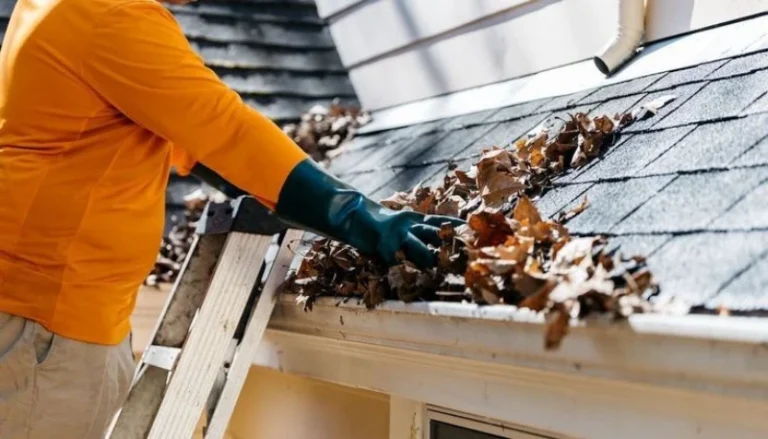
- Ladder-related injuries
- Missed damage signs
- Incomplete cleaning
Professional Benefits
Experienced technicians can:
- Remove debris thoroughly
- Check gutter alignment
- Identify roof-edge damage
- Spot developing leak issues
Professional inspections often catch small problems before they become major repairs.
What To Do If Your Roof Is Already Leaking
Act Quickly
Water damage worsens over time.
Protect Interior Belongings
Move furniture and valuables away from affected areas.
Document the Damage
Take photos for insurance purposes if necessary.
Address the Root Cause
Repairing interior damage without fixing clogged gutters will only lead to recurring problems.
Contact a Qualified Professional
A professional inspection can determine the extent of roof and gutter damage.
Conclusion
So, can clogged gutters cause roof leaks?
Without question, yes.
What begins as a simple accumulation of leaves and debris can eventually lead to roof leaks, wood rot, mold growth, ceiling damage, and even foundation problems.
The good news is that these issues are largely preventable. Regular gutter cleaning, seasonal inspections, prompt repairs, and proactive maintenance can protect your home from costly water damage.