If you own a home in Pittsburgh, you already know the weather can change quickly. One week may bring heavy rain, the next could bring snow, freezing temperatures, or strong winds. While most homeowners focus on their roofs, siding, or landscaping, gutters often receive attention only when a problem appears.
That can be a costly mistake.
Your gutter system serves as the first line of defense against water damage. When Pittsburgh weather puts pressure on your home throughout the year, properly functioning gutters help direct water away from your roof, foundation, siding, and landscaping.
Many homeowners search for information about Pittsburgh weather and gutters because they want to understand why clogs, leaks, overflows, and ice buildup happen so frequently in the region. The good news is that most of these problems can be prevented with the right maintenance and preparation.
Understanding the Relationship Between Pittsburgh Weather and Your Gutters
Pittsburgh experiences all four seasons, each creating unique challenges for residential gutter systems.
Key weather conditions that affect gutters include:
- Heavy spring rainfall
- Summer thunderstorms
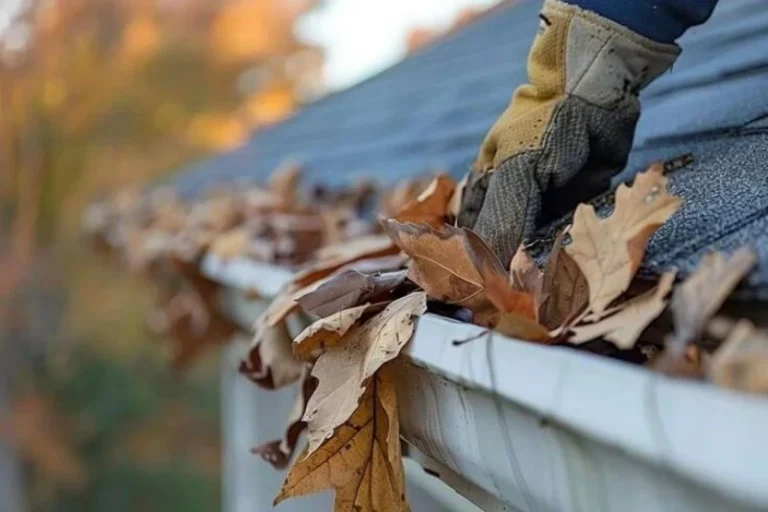
- Falling leaves during autumn
- Snow accumulation in winter
- Freeze-thaw cycles
- Strong seasonal winds
When gutters are clean and properly maintained, they channel water safely away from your home. However, when debris accumulates or weather-related damage occurs, the entire drainage system becomes less effective.
A well-maintained gutter system helps protect:
- Roof structures
- Fascia boards
- Foundations
- Basements
- Landscaping
- Exterior walls
A Simple Example
After a week of heavy rain, water was pouring over the sides of the gutters.
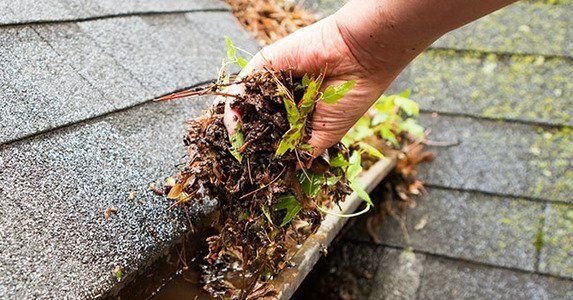
The downspouts were completely blocked with leaves from nearby trees.
These situations are extremely common throughout Pittsburgh neighborhoods.
Why Pittsburgh’s Climate Creates Unique Gutter Challenges
Pittsburgh’s geography and climate combine to create conditions that can accelerate gutter wear and increase maintenance needs.
Frequent Rainfall
The city receives significant rainfall throughout the year. Even moderate storms can overwhelm clogged gutters, causing water to overflow and collect around foundations.
Abundant Trees
Many Pittsburgh neighborhoods are known for mature trees. While they add beauty and shade, they also contribute leaves, twigs, seeds, and debris that frequently clog gutters.
Winter Freeze-Thaw Cycles
One of the most damaging weather patterns occurs when temperatures repeatedly move above and below freezing.
Water trapped inside gutters freezes, expands, and places pressure on joints, brackets, and seams.
Seasonal Storms
Strong winds can push debris onto roofs and into gutter channels. Severe storms may also loosen fasteners or damage sections of the gutter system.
Spring Weather and Gutter Performance
Spring is often the season when hidden winter damage becomes visible.
Heavy Rain Exposes Existing Problems
A gutter may appear functional during dry weather but fail during prolonged rainfall.
Common spring issues include:
- Overflowing gutters
- Leaking seams
- Detached sections
- Poor drainage
- Blocked downspouts
Tree Debris and Seed Pods
Many local trees release seeds, flowers, and small debris during spring. These materials can accumulate quickly and reduce water flow.
Why Spring Cleaning Matters
A professional inspection and cleaning after winter helps identify issues before they become expensive repairs.
Homeowners often discover:
- Cracks
- Loose hangers
- Rust spots
- Improper pitch
- Water pooling near foundations
Summer Storms and Sudden Downpours
Summer weather may seem less threatening to gutters, but intense storms can create significant challenges.
High-Volume Rainfall
Short but powerful thunderstorms can send large amounts of water into gutter systems within minutes.
If gutters are partially blocked, overflow becomes almost inevitable.
Heat and Material Expansion
Extended periods of heat cause gutter materials to expand. Over time, repeated expansion and contraction can loosen joints and fasteners.
Pest Activity
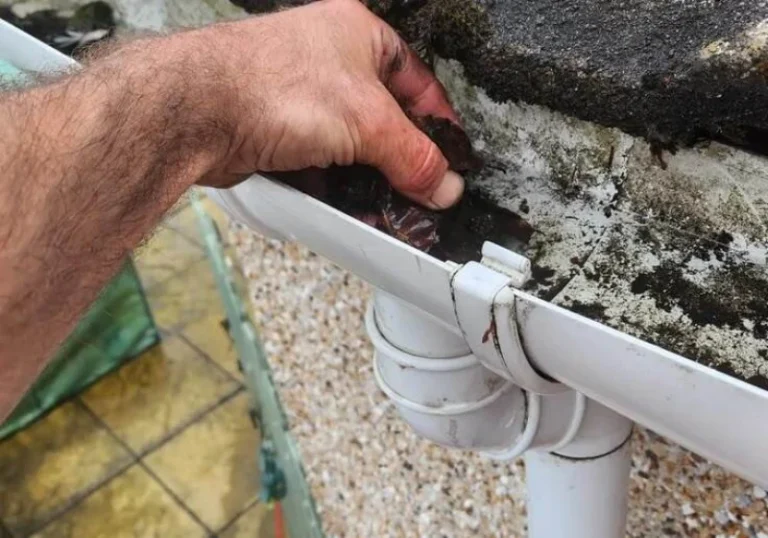
Standing water inside clogged gutters creates attractive environments for insects.
Common visitors include:
- Mosquitoes
- Ants
- Wasps
- Other nuisance pests
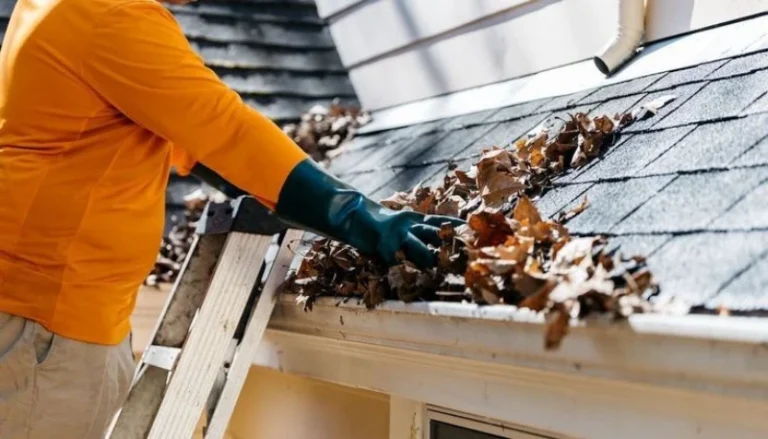
Fall Leaves: The Most Common Gutter Threat
For many Pittsburgh homeowners, autumn is the busiest season for gutter maintenance.
Why Leaves Cause Serious Problems
Leaves create dense blockages that prevent proper water flow.
As rainwater mixes with decomposing leaves, the material becomes heavy and compacted.
This often leads to:
- Overflowing gutters
- Sagging sections
- Downspout blockages
- Water damage near foundations
The Hidden Risk
Many homeowners assume that leaves remain dry after falling.
In reality, wet leaves can become surprisingly heavy, increasing stress on gutter brackets and supports.
Preparing Before Winter
Fall gutter cleaning is one of the most important maintenance tasks homeowners can perform.
Removing debris before freezing temperatures arrive reduces the risk of winter-related damage.
Winter Weather and Ice Dams
Winter presents some of the toughest conditions for gutter systems.
What Is an Ice Dam?
An ice dam forms when snow melts on a warmer section of the roof and refreezes near the roof edge.
This creates a barrier that prevents water from draining properly.
How Ice Dams Affect Gutters
Ice buildup can:
- Pull gutters away from the house
- Damage fasteners
- Cause roof leaks
- Create dangerous icicles
- Increase structural stress
Snow Weight
Snow accumulation alone can place significant pressure on gutters.
When combined with ice, the added weight may bend or damage sections of the system.
Signs Your Gutters Are Struggling With Pittsburgh Weather
Recognizing problems early can prevent extensive repairs.
Watch for These Warning Signs
- Water spilling over gutter edges
- Sagging gutters
- Rust spots
- Peeling exterior paint
- Basement moisture
- Standing water near foundations
- Loose downspouts
- Visible cracks
Small Problems Grow Quickly
A minor leak during dry weather can become a major issue during Pittsburgh’s rainy seasons.
Regular inspections help catch these concerns before they escalate.
How Weather-Related Gutter Problems Affect Your Home
Many homeowners underestimate the role gutters play in protecting the entire property.
Foundation Damage
Improper drainage allows water to collect around foundations.
Over time, this may contribute to:
- Settlement issues
- Cracks
- Basement moisture problems
Roof Damage
When water backs up, it can penetrate roofing materials and underlying structures.
Landscape Erosion
Overflowing gutters can wash away mulch, soil, and plants.
Siding Stains
Repeated water exposure may leave streaks, discoloration, and deterioration on exterior surfaces.
Preventative Maintenance for Pittsburgh Homeowners
Preventative care remains the most effective strategy.
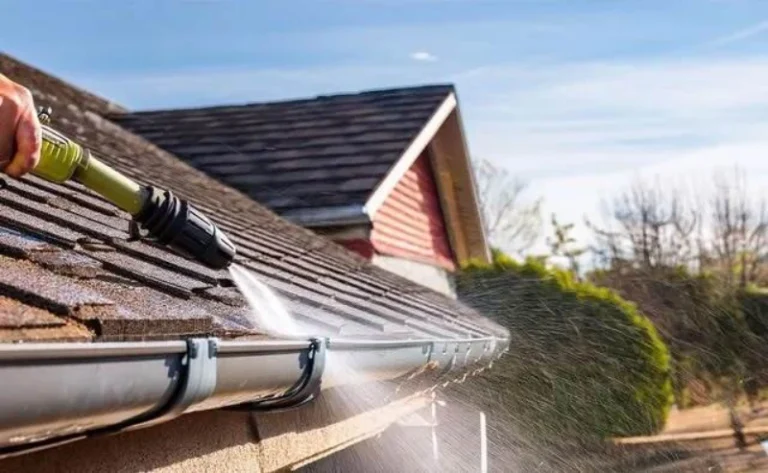
Schedule Routine Cleanings
Most homes benefit from at least two cleanings per year.
Properties surrounded by trees may require more frequent service.
Inspect After Major Storms
Heavy rain and wind can create new issues that are not immediately visible.
A quick inspection can identify:
- Detached sections
- Debris buildup
- Damaged downspouts
Consider Gutter Guards
Gutter guards can help reduce debris accumulation while maintaining water flow.
Although they do not eliminate maintenance completely, they often reduce cleaning frequency.
The Cost of Ignoring Gutter Maintenance
Many expensive home repairs begin with neglected gutters.
Potential consequences include:
| Problem | Possible Impact |
| Overflowing gutters | Foundation damage |
| Ice dams | Roof leaks |
| Blocked downspouts | Basement moisture |
| Standing water | Pest infestations |
| Sagging gutters | Structural repairs |
| Water intrusion | Mold growth |
Key Insight
Routine gutter maintenance is significantly less expensive than repairing water damage. Small preventative investments often save homeowners thousands of dollars over time.
Seasonal Gutter Maintenance Checklist
Spring
- Remove winter debris
- Check for leaks
- Inspect downspouts
- Test water flow
Summer
- Inspect after storms
- Remove nesting materials
- Check brackets and fasteners
Fall
- Remove leaves regularly
- Clean downspouts
- Inspect for sagging sections
Winter
- Monitor ice buildup
- Remove excessive snow when necessary
- Watch for ice dam formation
Choosing the Right Gutter System for Pittsburgh Weather
Not all gutter systems perform equally under local conditions.
Seamless Gutters
Seamless systems reduce the number of joints where leaks can develop.
Aluminum Gutters
Aluminum remains a popular option because it resists rust and handles seasonal weather changes well.
Larger Downspouts
Homes in areas prone to heavy rainfall often benefit from improved drainage capacity.
Professional Installation Matters
Even high-quality materials can fail if gutters are installed incorrectly.
Proper pitch, support spacing, and drainage design are essential for long-term performance.
Conclusion
Pittsburgh weather is unpredictable, but your home’s protection system does not have to be. Throughout the year, rain, wind, snow, ice, and falling leaves place constant pressure on gutter systems. When gutters remain clean, properly maintained, and structurally sound, they help protect some of the most valuable parts of your property.
The homeowners who experience the fewest water-related problems are often the ones who view gutter maintenance as preventative care rather than emergency repair. A little attention each season can make a remarkable difference in the long-term health of your roof, foundation, landscaping, and home value.
Understanding the connection between Pittsburgh weather and your gutters allows you to stay ahead of problems instead of reacting to them. In a city where the seasons can change dramatically, that preparation is one of the smartest investments a homeowner can make.