Many homeowners notice a water stain on a ceiling and immediately assume the roof itself is failing. In reality, the source of the problem may be much simpler, and much easier to fix. One of the most overlooked causes of roof leaks is a blocked gutter system.
People search for this topic because roof leaks can be expensive, stressful, and difficult to diagnose. When water starts entering a home, it is natural to focus on shingles, flashing, or roofing materials. However, clogged gutters can create conditions that allow water to back up and find its way beneath roofing components.
Understanding the connection between gutters and roof performance can help homeowners prevent costly repairs and protect their property year-round.
Can Blocked Gutters Cause Roof Leaks? – Quick Meaning
The Short Answer
Yes, blocked gutters can absolutely cause roof leaks.
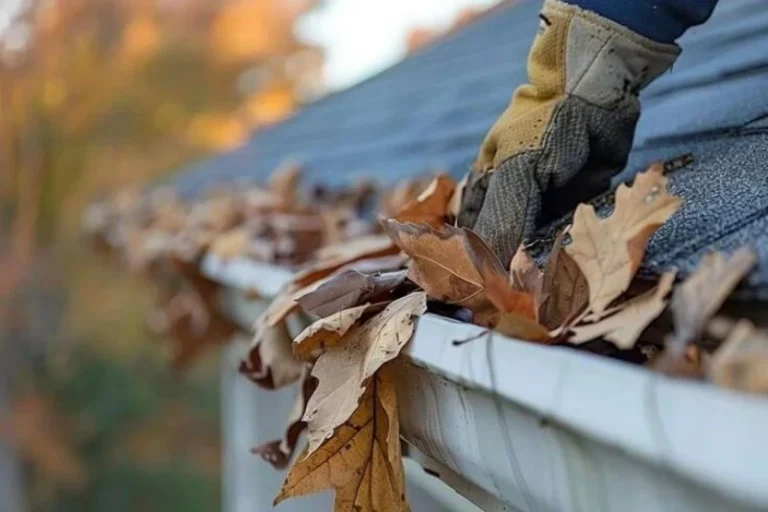
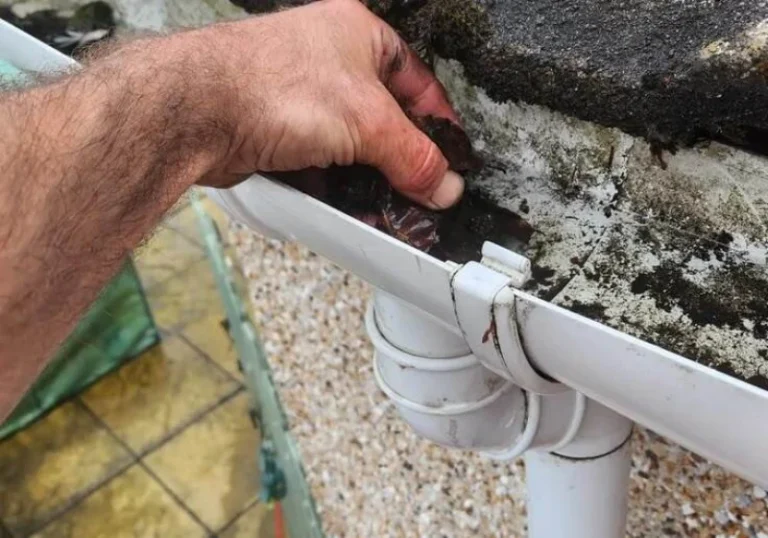
When gutters become filled with leaves, twigs, dirt, and other debris, rainwater can no longer flow properly through the drainage system. Instead of moving away from the home, water begins to overflow or back up onto the roof.
Common consequences include:
- Water pooling along roof edges
- Damage to fascia boards
- Moisture penetration beneath shingles
- Interior ceiling stains
- Mold and mildew growth
- Structural wood rot
Simple Examples
After months of ignored gutter maintenance, water started leaking into the attic during heavy rain. A homeowner replaced several shingles only to discover clogged gutters were the real cause of the leak. Once the gutters were cleaned, recurring moisture problems disappeared.
Origin & Background
Why Gutters Exist
Gutters have been used for centuries to manage rainwater and protect buildings from water-related damage. Their primary purpose is simple: collect rainwater from the roof and direct it safely away from the structure.
Without a functioning gutter system, water can damage:
- Roofing materials
- Foundations
- Siding
- Landscaping
- Exterior walls
How Modern Homes Depend on Gutters
Modern roofing systems are designed to work together. Shingles, underlayment, flashing, fascia boards, gutters, and downspouts all play important roles.
When one component fails, the entire system becomes vulnerable. Blocked gutters interrupt the normal flow of water, placing unnecessary stress on roofing materials.
Growing Awareness Among Homeowners
In recent years, homeowners have become more aware of preventive maintenance due to rising repair costs and increased weather-related challenges. Many roofing professionals now identify neglected gutters as one of the leading contributors to avoidable roof damage.
Real-Life Conversations
Conversation 1: Family Group Chat
Person A:
“We’ve got a leak in the guest bedroom ceiling.”
Person B:
“When was the last time you cleaned the gutters?”
Person A:
“Honestly, I can’t remember.”
Person B:
“Check those first. That’s what caused ours.”
Conversation 2: Text Messages
Person A:
“The roofer says my shingles look fine.”
Person B:
“Then the gutters might be overflowing.”
Person A:
“I didn’t even think of that.”
Conversation 3: Neighborhood Chat
Person A:
“Water keeps dripping near my windows during storms.”
Person B:
“Take a look at your gutters. Mine were packed with leaves.”
Person A:
“I’ll check this weekend.”
Conversation 4: Home Improvement Forum
Person A:
“Do blocked gutters really cause roof leaks?”
Person B:
“Absolutely. Water backed up under my shingles and damaged the attic insulation.”
Emotional & Psychological Meaning
Why Roof Leaks Create Anxiety
Water damage often feels overwhelming because it can spread silently before becoming visible. A small leak may appear harmless at first, but homeowners know that hidden moisture can lead to expensive repairs.
The uncertainty is often what causes stress.
Questions begin to arise:
- How bad is the damage?
- Is the roof failing?
- Will insurance cover it?
- How much will repairs cost?
The Value of Prevention
There is peace of mind in knowing that many roof leaks can be prevented through routine maintenance. Something as simple as cleaning gutters can help homeowners avoid major expenses later.
A Real-World Scenario
A homeowner notices a brown stain forming on a bedroom ceiling after a storm. The immediate assumption is that the roof needs replacement. After an inspection, the issue turns out to be clogged gutters causing water to back up beneath the roof edge. A simple cleaning resolves the problem before significant damage occurs.
Usage in Different Contexts
Home Maintenance Discussions
The connection between blocked gutters and roof leaks is frequently discussed among homeowners planning seasonal maintenance.
Real Estate Transactions
Buyers often ask about gutter conditions because neglected drainage systems can indicate broader maintenance issues.
Insurance Claims
Insurance adjusters frequently investigate whether poor maintenance contributed to water damage claims.
Professional Roofing Assessments
Roofing contractors routinely inspect gutters when diagnosing leaks because the source may not be the roofing materials themselves.
When NOT to Ignore It
Small Overflow Problems
Many people assume occasional overflow is harmless. Unfortunately, repeated overflow can gradually damage roofing components.
During Heavy Rainfall Seasons
Ignoring clogged gutters before a rainy season significantly increases the risk of water intrusion.
Winter Conditions
In colder climates, blocked gutters can contribute to ice dams. These ice formations prevent drainage and force water beneath roofing materials.
After Major Storms
Leaves, branches, and debris often accumulate after storms. Prompt inspection can prevent future leaks.
Common Misunderstandings
Roof Leaks Always Mean Bad Shingles
Not necessarily. Shingles may be in excellent condition while clogged gutters are creating water backup.
Water Overflow Is the Only Problem
Overflow is only one issue. Water can also seep beneath shingles, rot fascia boards, and damage roof decking.
New Gutters Can’t Cause Leaks
Even newly installed gutters can create problems if they become blocked.
Cleaning Once a Year Is Always Enough
The required cleaning frequency depends on nearby trees, weather patterns, and local conditions.
Comparison Table
| Issue | Main Cause | Risk Level | Typical Solution |
| Blocked Gutters | Leaves and debris | High | Gutter cleaning |
| Damaged Shingles | Age or storm damage | High | Roof repair |
| Flashing Failure | Corrosion or improper installation | High | Flashing replacement |
| Ice Dams | Frozen water buildup | High | Ventilation and gutter maintenance |
| Overflowing Downspouts | Clogs or blockages | Moderate | Clearing obstructions |
| Poor Roof Drainage | Design issues | Moderate to High | Drainage improvements |
Key Insight
Many homeowners focus solely on roofing materials when investigating leaks. In reality, a properly functioning gutter system is equally important for keeping water out of the home.
Variations / Types of Gutter-Related Leak Problems
Overflowing Gutters
Water spills over the edges instead of flowing through downspouts.
Backed-Up Gutters
Standing water accumulates and pushes moisture beneath roofing materials.
Sagging Gutters
Excess debris weight causes gutters to pull away from the home.
Blocked Downspouts
Water becomes trapped and cannot exit the drainage system.
Ice Dam Formation
Frozen water prevents proper drainage during winter.
Fascia Board Rot
Constant moisture damages wooden roof-edge components.
Roof Edge Deterioration
Water exposure weakens roofing materials near the gutter line.
Foundation Water Problems
Improper drainage affects areas beyond the roof.
Mold Development
Persistent moisture encourages mold growth.
Interior Ceiling Leaks
Water eventually reaches living spaces inside the home.
How to Respond When Someone Asks About It
Casual Replies
Yes, clogged gutters can definitely cause roof leaks. It’s more common than most people think.
Informative Replies
Blocked gutters can force water back onto the roof where it may enter under shingles.
Mature Replies
It’s worth inspecting the entire drainage system before assuming the roof itself is failing.
Respectful Replies
I’d recommend having both the roof and gutters professionally inspected to identify the exact source.
Regional & Cultural Usage
Western Regions
Homeowners often focus on autumn gutter cleaning because falling leaves are a major cause of clogs.
Asian Regions
Monsoon rains can quickly expose drainage problems, making gutter maintenance especially important.
Middle Eastern Regions
While rainfall may be less frequent in some areas, sudden storms can overwhelm neglected gutters.
Global Homeowner Perspective
Regardless of location, proper water management remains one of the most important aspects of property maintenance.
Different Generations
Older homeowners often emphasize preventive maintenance based on experience, while newer homeowners may only discover the importance of gutters after encountering water damage.
Is It Safe for Homeowners to Handle Themselves?
DIY Considerations
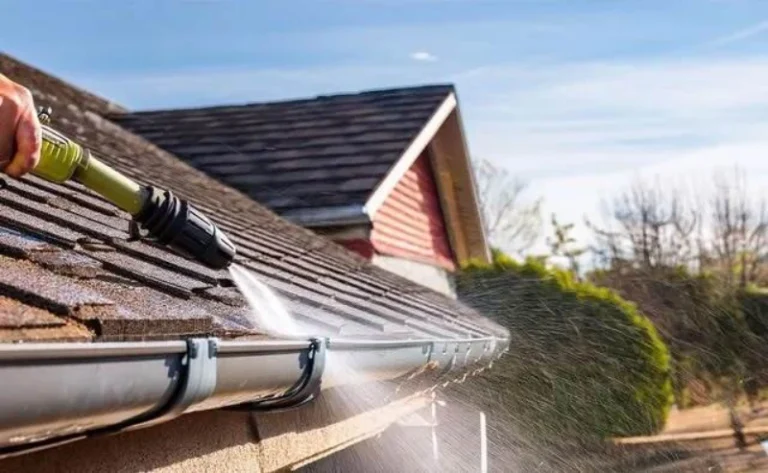
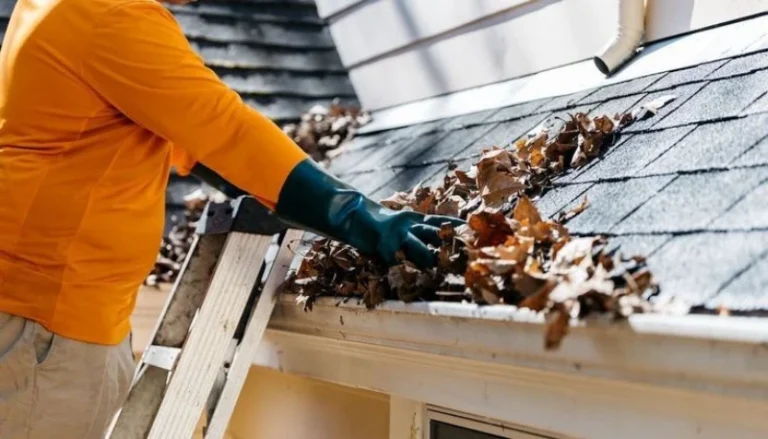
Basic gutter cleaning can often be performed safely when proper equipment and precautions are used.
However, homeowners should avoid:
- Working on unstable ladders
- Cleaning during storms
- Reaching beyond safe ladder positions
- Ignoring electrical hazards
When Professional Help Is Best
Professional assistance is recommended for:
- Multi-story homes
- Severe blockages
- Roof inspections
- Structural damage concerns
Conclusion
Blocked gutters may seem like a minor maintenance issue, but their impact can be surprisingly serious. When water loses its intended path, it looks for another way out—and that often means entering areas where it does not belong.
Roof leaks, fascia damage, mold growth, and even structural problems can all begin with a simple clog. The encouraging news is that these issues are often preventable.
Regular inspections, seasonal cleaning, and prompt attention to drainage problems can protect your roof, preserve your home’s value, and provide confidence every time a storm rolls through. Understanding the connection between gutters and roof leaks is one of the smartest steps any homeowner can take toward long-term property protection.