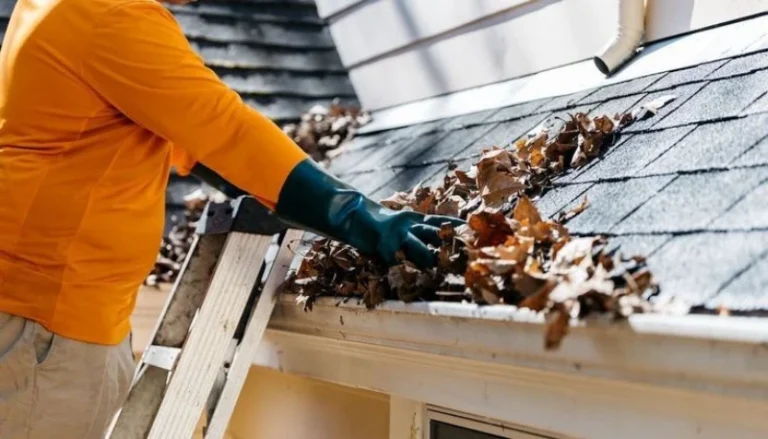
Gutters are one of those parts of a home that are easy to forgetuntil something goes wrong.
Many homeowners ask, “How often should you clean your gutters?” because the answer is not always as simple as cleaning them once a year. Factors such as weather, nearby trees, roof design, and local climate all influence how quickly debris builds up inside your gutter system.
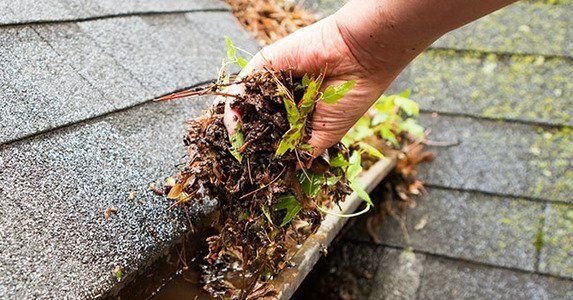
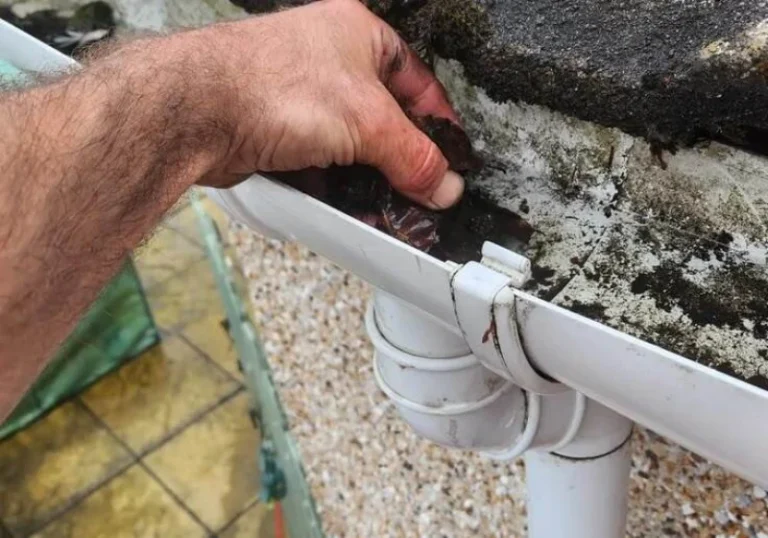
When gutters become clogged with leaves, twigs, dirt, and other debris, rainwater can no longer flow properly. Instead of directing water away from your property, clogged gutters can lead to roof leaks, foundation damage, basement moisture problems, pest infestations, and costly repairs.
The good news is that regular gutter maintenance is relatively inexpensive compared to repairing water damage. Understanding the right cleaning schedule can help protect your home, save money, and extend the lifespan of your gutter system.
Quick Answer: How Often Should Gutters Be Cleaned?
For most homes, gutters should be cleaned at least twice per year:
- Once in the spring
- Once in the fall
However, this recommendation is only a starting point.
Some homes require more frequent cleaning depending on:
- Tree coverage
- Local weather conditions
- Roof design
- Presence of gutter guards
- Amount of seasonal debris
Recommended Cleaning Frequency
| Property Condition | Recommended Frequency |
| Few or no trees nearby | 1–2 times per year |
| Moderate tree coverage | 2–3 times per year |
| Heavy tree coverage | 3–4 times per year |
| Pine trees nearby | Every 2–3 months |
| Commercial buildings | Quarterly inspections |
Why Regular Gutter Cleaning Matters
Many homeowners underestimate how important gutters are until they experience water-related damage.
Your gutter system is designed to collect rainwater from the roof and safely direct it away from your home’s foundation. When debris blocks that pathway, water begins overflowing where it shouldn’t.
Prevent Roof Damage
Standing water trapped inside clogged gutters can back up beneath roofing materials. Over time, this can contribute to leaks, wood rot, and structural deterioration.
Protect Your Foundation
Excess water pooling around your home’s foundation can cause soil erosion, cracks, settlement issues, and basement moisture problems.
Reduce Mold and Mildew
Moisture that accumulates around walls, siding, and foundations creates an environment where mold can thrive.
Prevent Pest Infestations
Clogged gutters often become attractive nesting areas for:
- Mosquitoes
- Birds
- Rodents
- Ants
- Wasps
Regular cleaning removes these potential habitats before they become larger problems.
Factors That Affect How Often You Should Clean Your Gutters
There is no universal cleaning schedule that works for every property.
Tree Coverage
This is often the biggest factor.
Homes surrounded by mature trees collect significantly more debris than homes located in open areas.
Common culprits include:
- Oak leaves
- Maple leaves
- Pine needles
- Seed pods
- Acorns
- Small branches
A home surrounded by large trees may require cleaning three or four times annually.
Local Climate
Weather conditions directly impact gutter maintenance needs.
Regions with:
- Heavy rainfall
- Frequent storms
- Strong winds
- Snow accumulation
typically require more frequent inspections and cleanings.
Roof Design
Certain roof designs naturally shed more debris into gutters.
Complex roof systems featuring multiple valleys often collect leaves and debris faster than simple roof structures.
Gutter Type
Different gutter systems can influence maintenance requirements.
Examples include:
- Traditional sectional gutters
- Seamless gutters
- Box gutters
- Half-round gutters
While no gutter system is maintenance-free, some designs resist clogging more effectively than others.
Seasonal Gutter Cleaning Guide
Understanding what each season brings can help you develop a practical maintenance schedule.
Spring Gutter Cleaning
Winter often leaves behind:
- Small branches
- Ice-dam residue
- Roofing granules
- Wind-blown debris
Spring cleaning prepares gutters for heavy seasonal rain.
Summer Gutter Maintenance
Many homeowners skip summer inspections.
However, summer can introduce:
- Seed pods
- Pollen buildup
- Insect nests
- Storm debris
A quick mid-year inspection can prevent unexpected blockages.
Fall Gutter Cleaning
Fall is generally considered the most important cleaning season.
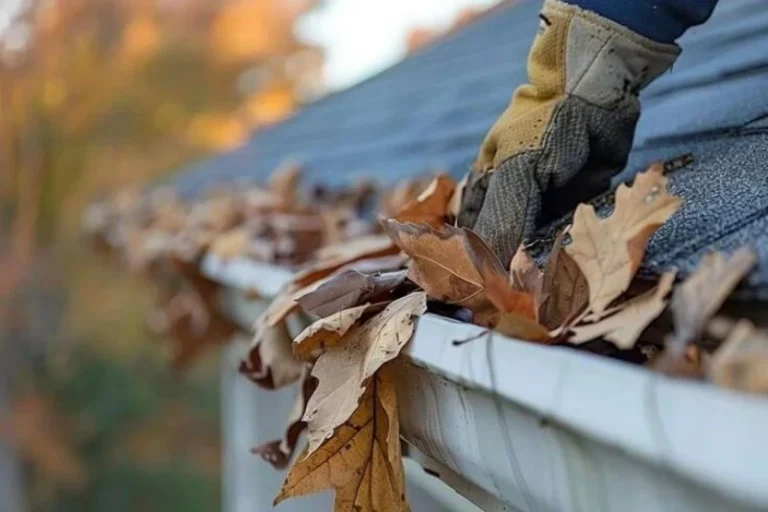
Leaves, twigs, acorns, and other debris can quickly fill gutters during autumn.
Cleaning after most leaves have fallen helps prepare your home for winter weather.
Winter Inspections
In colder climates, winter creates unique challenges.
Watch for:
- Ice dams
- Frozen downspouts
- Snow accumulation
- Excess gutter weight
Although cleaning is often difficult during winter, inspections remain valuable.
Signs Your Gutters Need Cleaning
Sometimes your gutters will tell you exactly when maintenance is needed.
Water Overflow During Rain
Overflowing water is one of the clearest warning signs.
If water spills over the edge instead of flowing through downspouts, a blockage likely exists.
Plants Growing in Gutters
Seeds carried by wind often settle inside clogged gutters.
If you notice vegetation growing from your roofline, cleaning is overdue.
Sagging Gutters
Debris combined with trapped water creates significant weight.
This extra load can cause gutters to pull away from the fascia.
Pest Activity
Frequent bird activity, mosquito populations, or visible nests may indicate clogged gutters.
Staining on Exterior Walls
Water overflow can create unsightly streaks and stains along siding and exterior walls.
What Happens If You Don’t Clean Your Gutters?
Ignoring gutter maintenance may seem harmless initially.
Unfortunately, the consequences often become expensive.
Foundation Problems
Improper drainage allows water to collect around foundations, increasing the risk of structural damage.
Roof Leaks
Standing water can infiltrate roofing materials and eventually enter your home.
Wood Rot
Constant moisture exposure damages:
- Fascia boards
- Soffits
- Roof decking
Landscape Erosion
Overflowing gutters can wash away mulch, soil, and plants around your property.
Interior Water Damage
Water intrusion can damage:
- Drywall
- Flooring
- Insulation
- Paint
Real-World Example
Imagine two neighboring homes.
The first homeowner cleans gutters every spring and fall. The system functions properly, water drains efficiently, and maintenance costs remain minimal.
The second homeowner ignores gutter maintenance for several years. Eventually, overflowing water damages landscaping, creates basement moisture issues, and contributes to roof leaks.
The difference in repair costs can easily reach thousands of dollars.
DIY vs Professional Gutter Cleaning
Many homeowners wonder whether they should clean gutters themselves or hire professionals.
DIY Gutter Cleaning
Advantages:
- Lower cost
- Immediate scheduling flexibility
- Opportunity to inspect your home
Challenges:
- Ladder safety risks
- Time-consuming process
- Limited equipment
- Difficulty accessing high roofs
Professional Gutter Cleaning
Advantages:
- Improved safety
- Thorough debris removal
- Professional inspections
- Faster completion
Challenges:
- Service costs
- Scheduling requirements
For single-story homes with easy access, DIY cleaning may be practical. Multi-story properties often benefit from professional service.
Are Gutter Guards Worth It?
Gutter guards can reduce maintenance requirements, but they do not eliminate them entirely.
Benefits
- Less debris accumulation
- Reduced clogging
- Lower cleaning frequency
- Improved water flow
Limitations
- Small debris still enters
- Inspections remain necessary
- Some systems perform better than others
Even with gutter guards installed, annual inspections are still recommended.
How Often Should Pittsburgh Homeowners Clean Their Gutters?
Homeowners in Pittsburgh face unique challenges.
The region experiences:
- Significant rainfall
- Mature tree coverage
- Heavy autumn leaf drop
- Snow and ice during winter
For most Pittsburgh homes:
- Spring cleaning is recommended
- Fall cleaning is essential
- Additional inspections may be needed for heavily wooded properties
Homes surrounded by oak, maple, or pine trees may benefit from three or four cleanings per year.
Annual Gutter Maintenance Checklist
Spring
- Remove winter debris
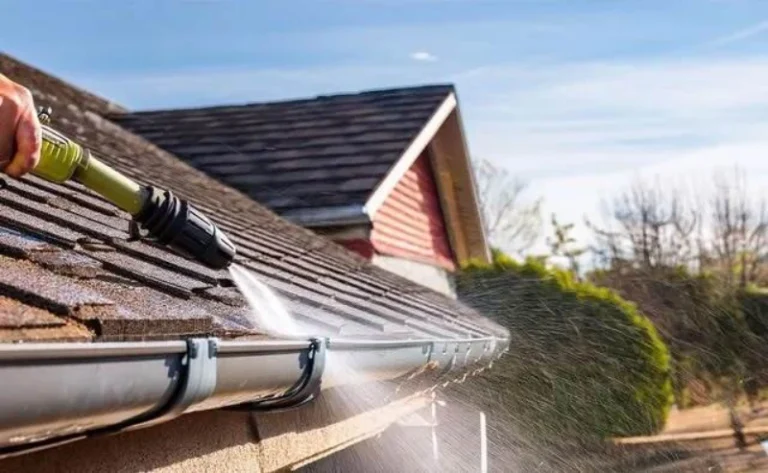
- Flush gutters
- Check downspouts
- Inspect for leaks
Summer
- Remove nests
- Check brackets
- Inspect after storms
Fall
- Remove leaves
- Verify drainage
- Inspect gutter guards
Winter
- Monitor ice dams
- Watch for sagging
- Check drainage pathways
Conclusion
For most homeowners, twice per year is the minimum standard. However, homes surrounded by trees, exposed to frequent storms, or located in regions with heavy seasonal debris may require more frequent maintenance.
Regular gutter cleaning is one of the simplest and most cost-effective ways to protect your roof, foundation, landscaping, and overall property value. A small investment of time today can prevent major repairs tomorrow.
Rather than waiting for overflowing water or visible damage, establish a maintenance schedule that fits your property. Your gutters—and your home—will perform better because of it.