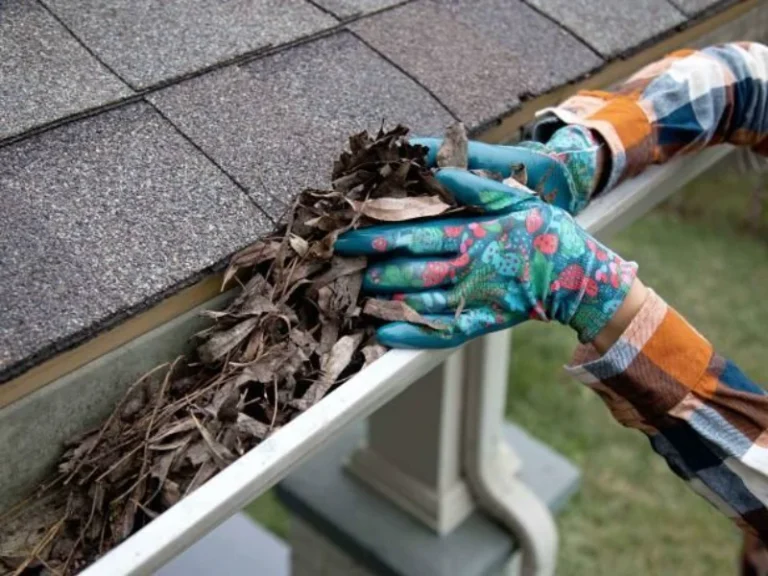

Gutters are one of those systems homeowners rarely think about, until water starts pooling in the basement or the roof shows signs of leakage. I learned this the hard way a few years ago when my own Pittsburgh home suffered a minor but costly foundation issue.
A simple overflow from clogged gutters led to $4,500 in water remediation. That experience completely changed how I approach gutter maintenance. Most blogs explain clogged gutters in a superficial way, leaves get stuck, clean them out.
By the end, you’ll understand what really causes clogs, how to prevent them, and the smart choices that save both time and money.
How Gutters Work and Why They Matter
At first glance, gutters seem simple: they carry water off your roof and away from your foundation. But there’s a lot more to them than meets the eye. A properly installed gutter system:
- Protects your roof from water damage and shingle deterioration.
- Prevents foundation cracks caused by pooled water.
- Reduces erosion around your landscaping.
- Minimizes interior water damage and mold growth.
Gutters come in different materials: aluminum, copper, steel, and vinyl. Aluminum is lightweight and rust-resistant, copper is durable and stylish but expensive, and vinyl is affordable but prone to cracking in extreme weather.
Shapes also matter: K-style gutters are popular in Pittsburgh for their capacity, while half-round gutters handle water flow better in certain older homes.
Competitors often cover material basics but miss the impact of seasonal debris, Pittsburgh’s climate, and neighborhood-specific challenges. F
Primary Causes of Clogged Gutters
A. Debris Accumulation
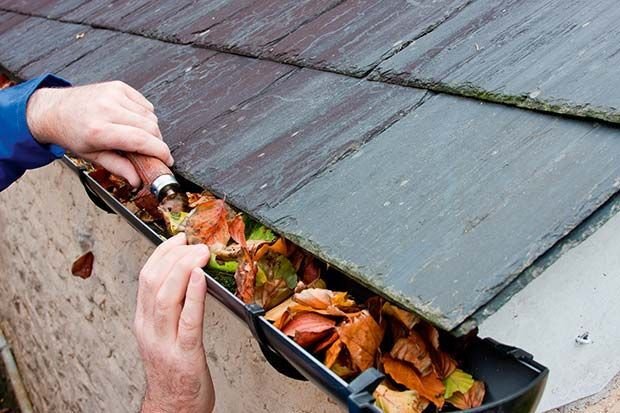
Leaves, twigs, seeds, pollen, and shingle grit are the most common culprits. In Pittsburgh, pine needles are particularly tricky; they don’t decompose quickly and tend to compact in gutters, forming almost cement-like blockages.
Case Study:
One Shadyside homeowner used a leaf blower to clean gutters but left compacted pine needles near downspouts. Within two weeks of a rainstorm, water overflowed into the basement.
Lesson:
Debris types vary by neighborhood, and improper cleaning creates recurring issues.
B. Poor Slope and Installation Errors
Gutters need to slope correctly, usually 1/4 inch per 10 feet toward downspouts. Sagging gutters or loose brackets prevent water from draining, creating standing water that attracts debris.
Personal Experience:
I installed gutters on my first home without checking the pitch. After the first heavy rain, water pooled in the middle section, causing fascia wood rot.
A professional adjustment fixed the problem, saving hundreds on future repairs.
C. Downspout Problems
Even perfectly clean gutters can fail if downspouts are clogged, kinked, or improperly extended.
Blocked downspouts can push water onto your foundation, causing erosion or basement leaks.
D. Weather and Seasonal Impacts
Competitors rarely combine material and climate causes. Pittsburgh winters often create ice dams, and heavy spring rains can overwhelm gutters.
Even properly sized gutters may fail under unusual weather patterns.
E. Wildlife and Pests
Birds, squirrels, and rodents sometimes use gutters as nests or pathways, further increasing debris accumulation.
I’ve personally seen squirrels build nests at gutter elbows, blocking flow and causing water overflow onto the siding.
Signs Your Gutters Are Clogged

- Water spills over the sides during rain.
- Stains on walls or fascia boards.
- Foundation pooling or basement leaks.
- Mold or mildew on exterior walls.
Example:
A homeowner in Highland Park noticed dark streaks on the siding after every rain. Inspection revealed a mix of leaves, pine needles, and shingle granules compacted near downspouts.
After cleaning and installing micro-mesh guards, the problem disappeared.
Tools, Guards, and Preventive Techniques
Competitors list tools but rarely review them from real experience. Here’s what works:
Recommended Tools & Brands
- LeafFilter Gutter Guard: effective at stopping large debris but still requires occasional inspection.
- Gutterglove Micro-Mesh: durable; handles fine needles, but expensive.
- Orbit Gutter Vacuum: handheld vacuum attachment for tight spaces; labor-intensive.
- Rain Bird Ladder Stabilizer: improves safety during cleaning.
- Flexzilla Flexible Gutter Scoops: ergonomic and fast, but plastic durability is limited.
- DIY Gutter Snake: cheap, effective for small clogs; doesn’t prevent accumulation.
DIY vs. Professional
DIY works for smaller homes or low-risk debris, but Pittsburgh’s weather and tree types make professional service often more cost-effective.
Conclusion
Clogged gutters can quietly cause serious damage, from basement leaks to roof and foundation problems. The best protection is proactive maintenance, regular cleaning, proper installation, and smart tools or professional help.
Even guards and DIY efforts need attention. Take action now: inspect your gutters, address clogs, and safeguard your home before small problems become costly repairs.