
Professional Downspout Installation in Pittsburgh, PA
Water damage often starts at the roofline. It ends at your foundation.Proper downspout installation in Pittsburgh protects your home from erosion, basement leaks, and structural damage. Many homes have gutters. Fewer have correctly sized or placed downspouts.
We install complete drainage systems that move water safely away from your home. Our team designs every layout based on roof size, slope, and rainfall intensity.
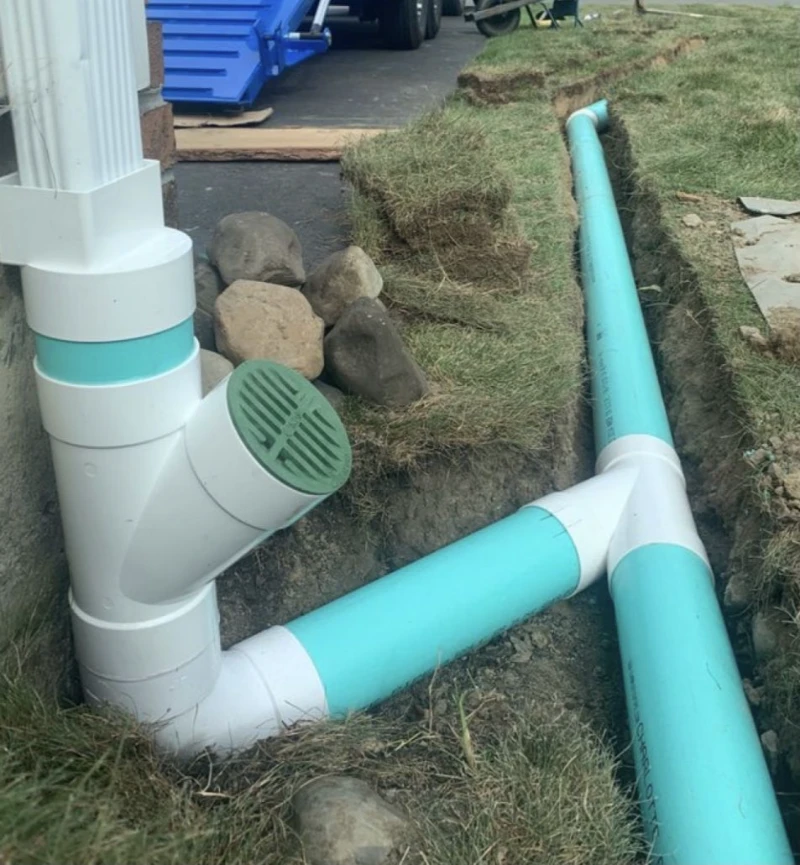
What Is Downspout
A downspout is the vertical pipe attached to your gutter system. It carries rainwater from the roof to the ground. Without it, water spills over the edge. That runoff can soak soil near your foundation. Over time, that pressure can cause cracks, shifting, and leaks.
Most homes use 2×3 or 3×4 aluminum downspouts. Larger roofs need larger capacity systems.
How It Connects to Gutter
Downspouts connect to gutters through an outlet drop. Water flows from the gutter trough into the vertical pipe. We secure each connection with rivets and sealant. We anchor the pipe with straps every four to six feet.
We calculate slope and outlet placement carefully. One poorly placed outlet can overload the system.
Why Pittsburgh Weather Makes It Important
Western Pennsylvania sees heavy rain, snow, and freeze cycles. Ice expands inside pipes and causes splits. Many homes sit on hills or clay soil. Poor drainage creates pooling near foundations.
In neighborhoods like Squirrel Hill, dense trees increase debris and clogging risks. Strong storms can overwhelm undersized downspouts. Upgrading capacity often solves overflow issues.
Types of Downspots We Install
Why We’re the Go To Downspout Installation Service in PA
Homeowners want clear answers and honest pricing. We deliver both.
Emergency Pittsburgh Downspout Installation
Storm damage can rip pipes from siding. We respond quickly to prevent water intrusion. Fast replacement prevents basement flooding.
Local Installation Downspout in Pittsburgh
We understand local soil, slope, and weather patterns. We plan systems that match these conditions.
Licensed Downspout Installation PA
We follow building standards across Pennsylvania. We install systems that meet structural best practices.
Most Affordable Pricing PA
We price projects based on footage and materials. Most residential installs range from 300 to 1,200 dollars. Underground drainage adds cost depending on trench length. Extensions typically cost less than buried systems. We explain every cost factor clearly.
Satisfaction Guaranteed or We Are Back
If water does not flow correctly, we fix it. We stand behind our workmanship.
Insurance Coverage
We carry liability coverage for every project. Your property stays protected.
24 7 Service
Drainage failures happen during storms. We remain available when emergencies strike.
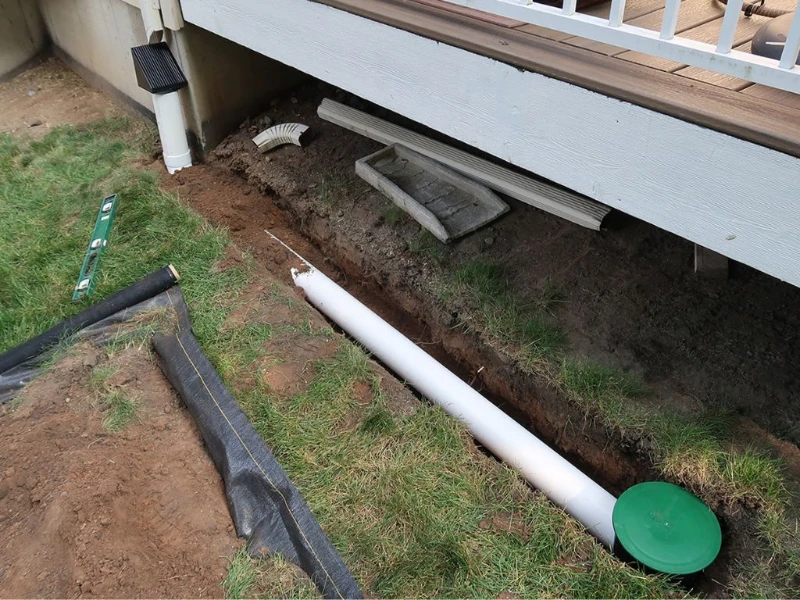
Our Downspout Installation Process
Clear process builds trust. Here is how we handle each project.
Step 1 Inspection
We inspect gutters, fascia, and siding. We check for rot and slope issues. We evaluate roof runoff volume. We identify low spots and pooling zones.
Step 2 Measurement
We measure vertical height and horizontal runs. We calculate proper spacing every 30 to 50 feet. Larger roofs require additional outlets.
Step 3 Material Selection
We review aluminum, copper, and vinyl options. We discuss extension versus buried drainage.
Step 4 Secure Installation
We cut sections with tin snips. We fasten joints with rivets and sealant. We anchor straps into studs or masonry. We avoid loose or uneven alignment.
Step 5 Water Flow Testing
We flush the system with a hose. We confirm steady flow and proper discharge distance. We adjust elbows if needed.
Get Your Downspout Installation Today
Delaying drainage upgrades invites damage. Water always finds the weakest point. A simple installation today prevents costly repairs tomorrow. Call now for an inspection and estimate.
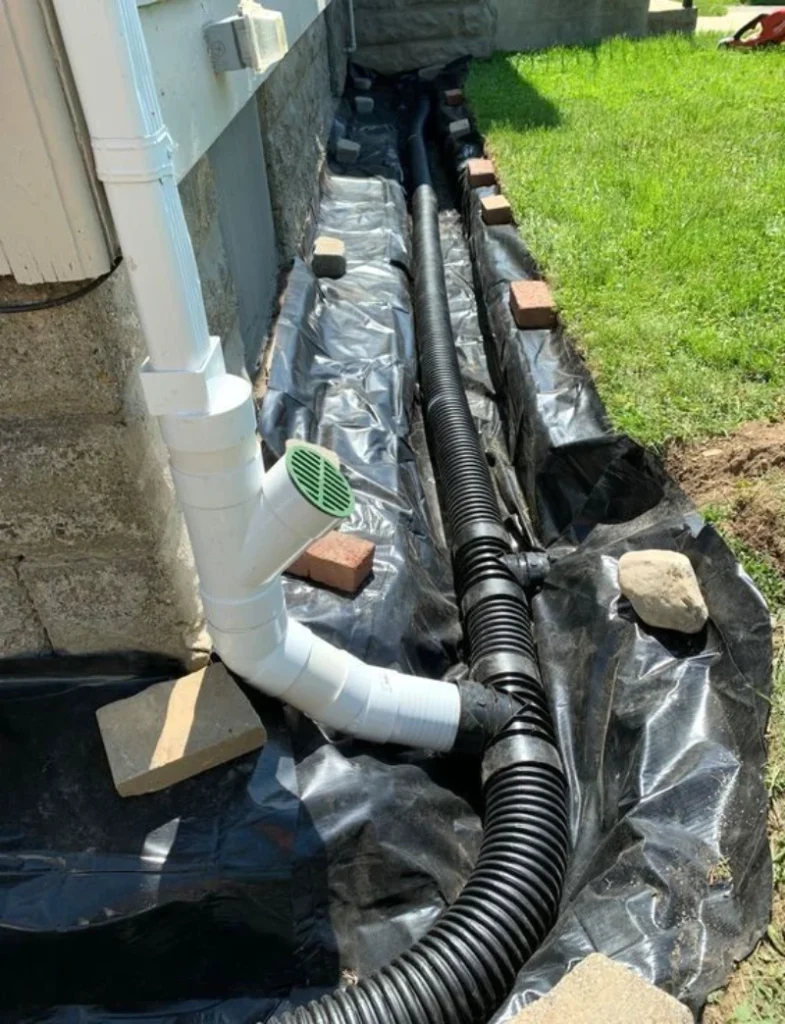
Enhance Your Home’s Water Management with Best Downspout Installation
Proper drainage protects more than siding. It protects your foundation and basement. Blocked or missing downspouts cause erosion. Erosion shifts soil and weakens support. Many homeowners ask if larger downspouts are worth it. For heavy rain zones, the answer is often yes.
Upgrading from 2×3 to 3×4 increases capacity significantly. That upgrade reduces overflow during storms. We also install underground PVC drainage lines. These move water ten feet or more away from the house.
Signs You May Need Pittsburgh Downspout Installation
Watch for these warning signs. Water pools near your foundation. Basement walls show moisture stains. Downspouts overflow during rain.
Extensions disconnect or fall off. Soil erodes below discharge points. If you see these issues, schedule an inspection.
Why Downspout Installation Is Essential
Without proper drainage, foundation repairs can exceed tens of thousands of dollars. Water damage claims average over ten thousand dollars nationwide. Routine drainage improvements cost far less. Prevention delivers a strong return on investment.
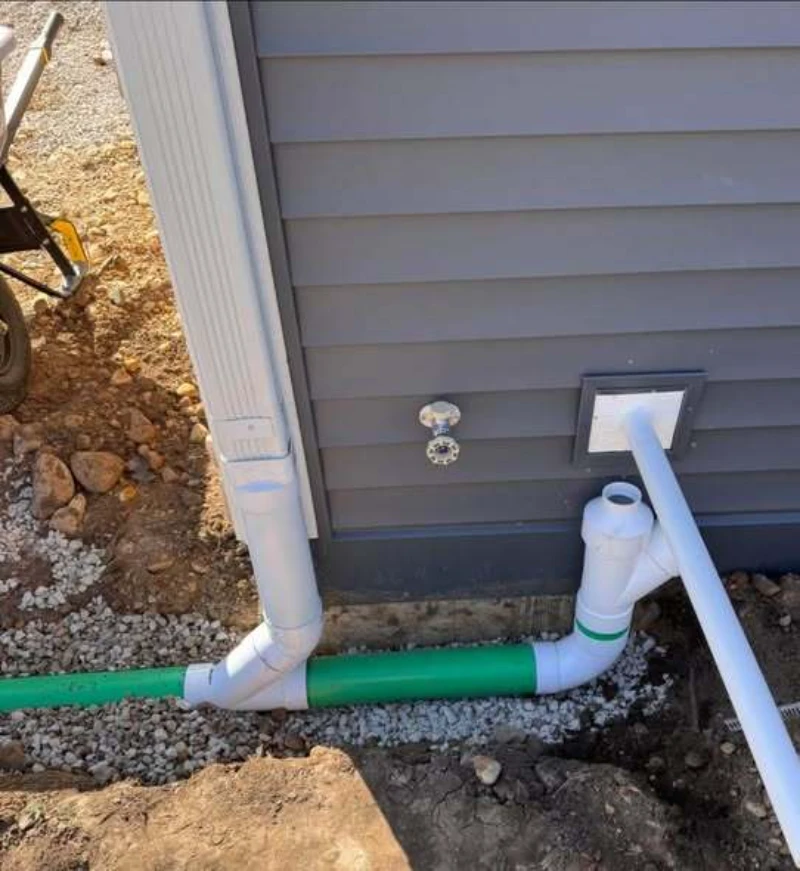
Seasonal Tips for Pittsburgh Homes
Spring brings heavy rain. Flush downspouts after winter debris buildup. Summer storms test capacity. Inspect straps and joints for looseness. Fall leaves clog outlets quickly. Install guards if tree coverage is dense.
Some homeowners consider brands like Leaf Guard for added debris control. Winter freeze cycles cause cracking. Heat cables can reduce ice blockages.
DIY Insights and Local Tricks
Some homeowners try self installation. DIY projects can work on single story homes. Always secure straps into framing. Never anchor into siding alone. Maintain proper slope toward the outlet. Even slight back pitch causes standing water. Extend discharge at least six to ten feet from the foundation. Splash blocks help but buried lines work better.
In hilly neighborhoods, direct water downhill when possible. Avoid routing toward neighboring properties. Many people buy materials from stores like Home Depot Pittsburgh. Store parts work, but design mistakes cause most failures. Professional planning prevents repeat repairs.
Real Example from a Local Project
A homeowner called after repeated basement seepage. Their gutters were clean. The issue was undersized downspouts. They had only two outlets on a long roofline.
We added two additional 3×4 aluminum downspouts. We extended discharge lines underground.
The next storm produced no overflow. The basement stayed dry. Capacity and placement solved the issue.